
Affiliate partner
Shop with Ethical Superstore
Explore organic groceries and ethical kitchen essentials to complement your seasonal cooking.
Visit Ethical Superstore →

Plant-based Indian recipes, made authentically
vegan-masala.com
information@vegan-masala.com
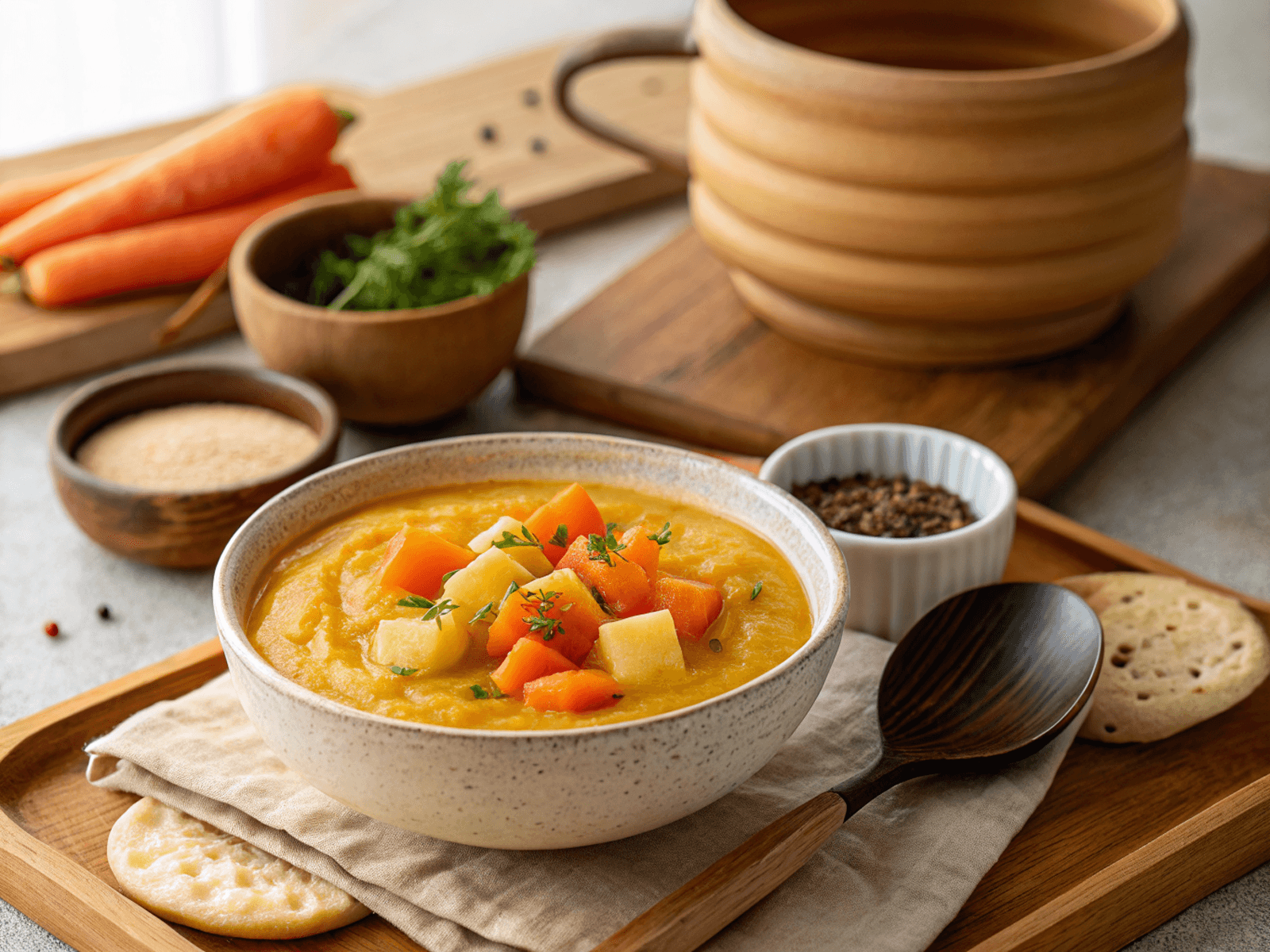
A practical guide to choosing, storing and cooking seasonal UK vegetables with Indian spices throughout the year.
Seasonal shopping can make vegetable-led cooking more varied without making it complicated. Produce grown closer to its natural season is often plentiful, useful in several meals and easier to find at a sensible price. It also gives a weekly meal plan a natural rhythm: roots and brassicas in colder months, then peas, beans, tomatoes and courgettes as the weather warms. Seasonality is not an absolute rule. Harvests vary by region and weather, and frozen, tinned and imported vegetables remain valuable. Use this guide as a flexible shopping aid rather than a test of whether a basket is perfect.
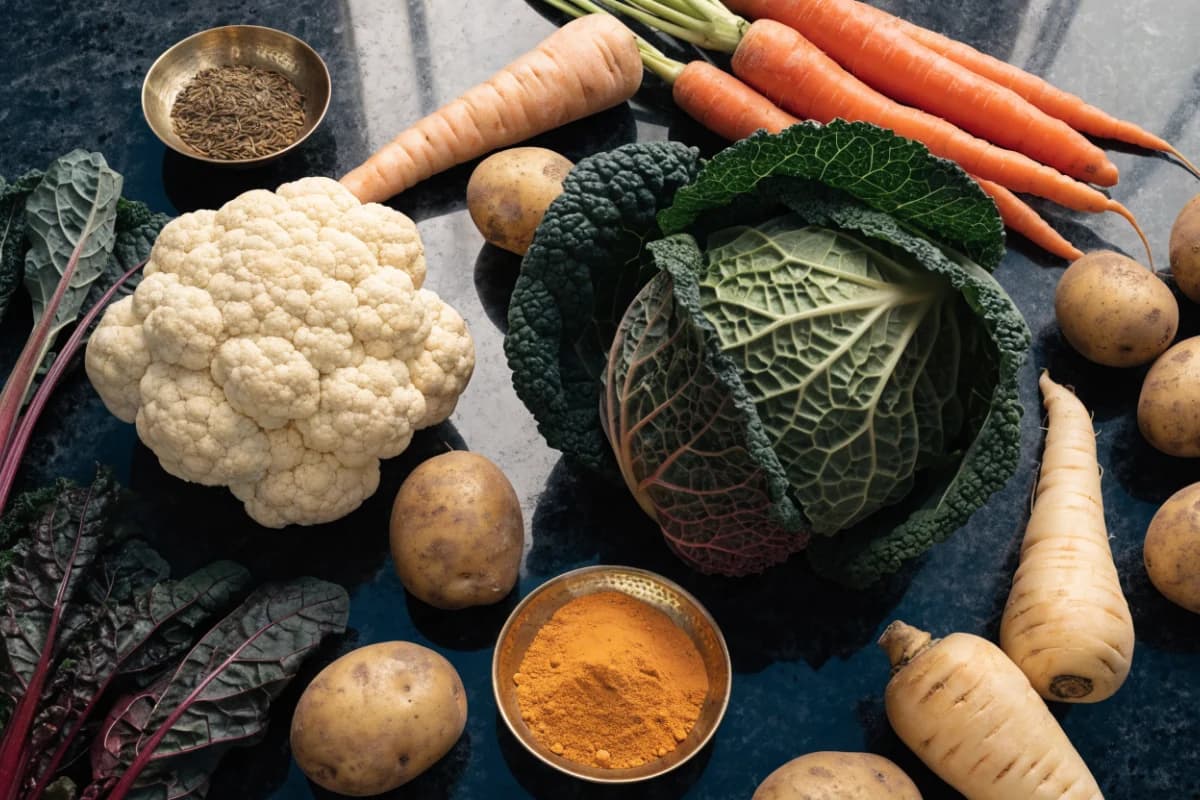
Cauliflower, cabbage, roots and greens stand up well to warming spices and longer cooking.
Potatoes, carrots, parsnips, swede, cabbage, cauliflower and winter greens are dependable foundations for Indian cooking. Their sweetness and sturdy texture work particularly well with cumin, mustard seed, coriander, turmeric and warming chilli.
Winter vegetables suit dry sabzi, coconut-based curries, hearty dals and spiced soups. A tray of roasted roots can become a side dish on the first evening and a curry filling later in the week.
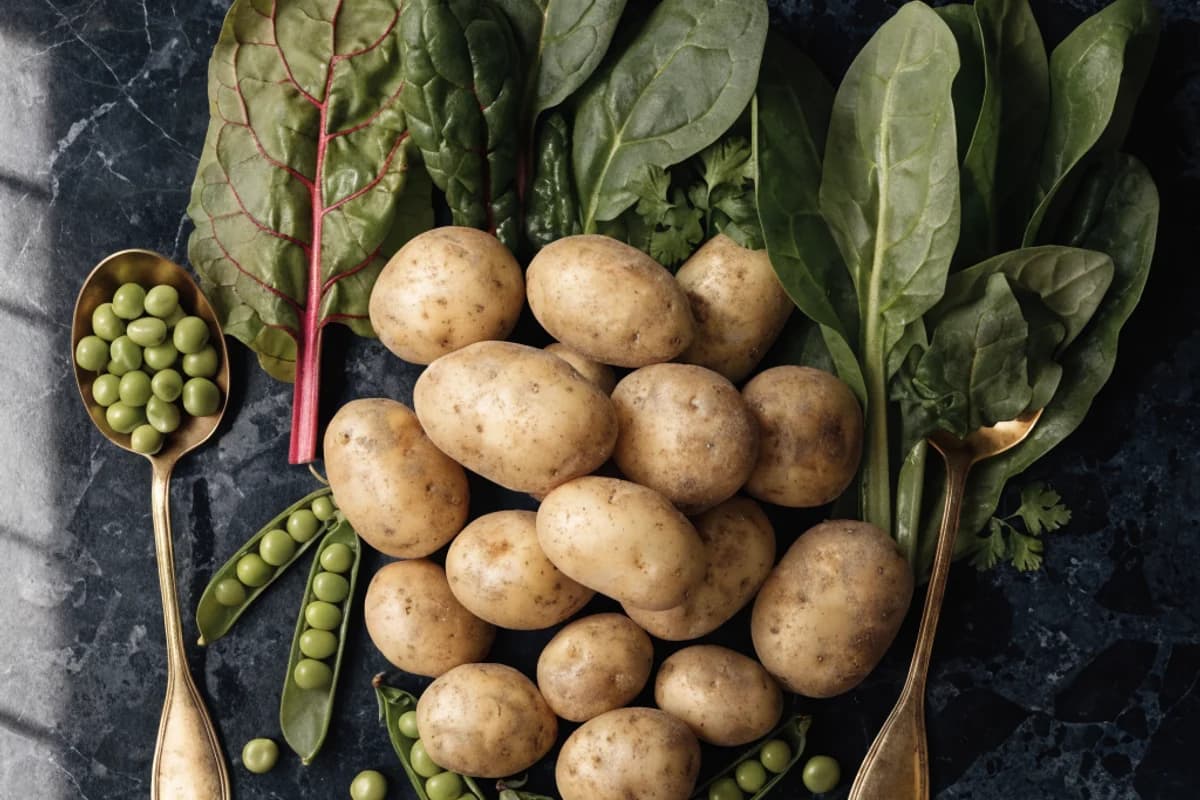
Tender greens, peas and new potatoes need shorter cooking and fresher finishing flavours.
Spring greens, spinach, chard, asparagus, radishes, peas and new potatoes bring fresher flavours. They generally need less cooking than winter roots, so the spice base should be prepared before the vegetables are added.
A useful spring formula is one pulse, one green vegetable and a bright finish of lemon or lime. It produces a complete meal without relying on a long ingredient list.
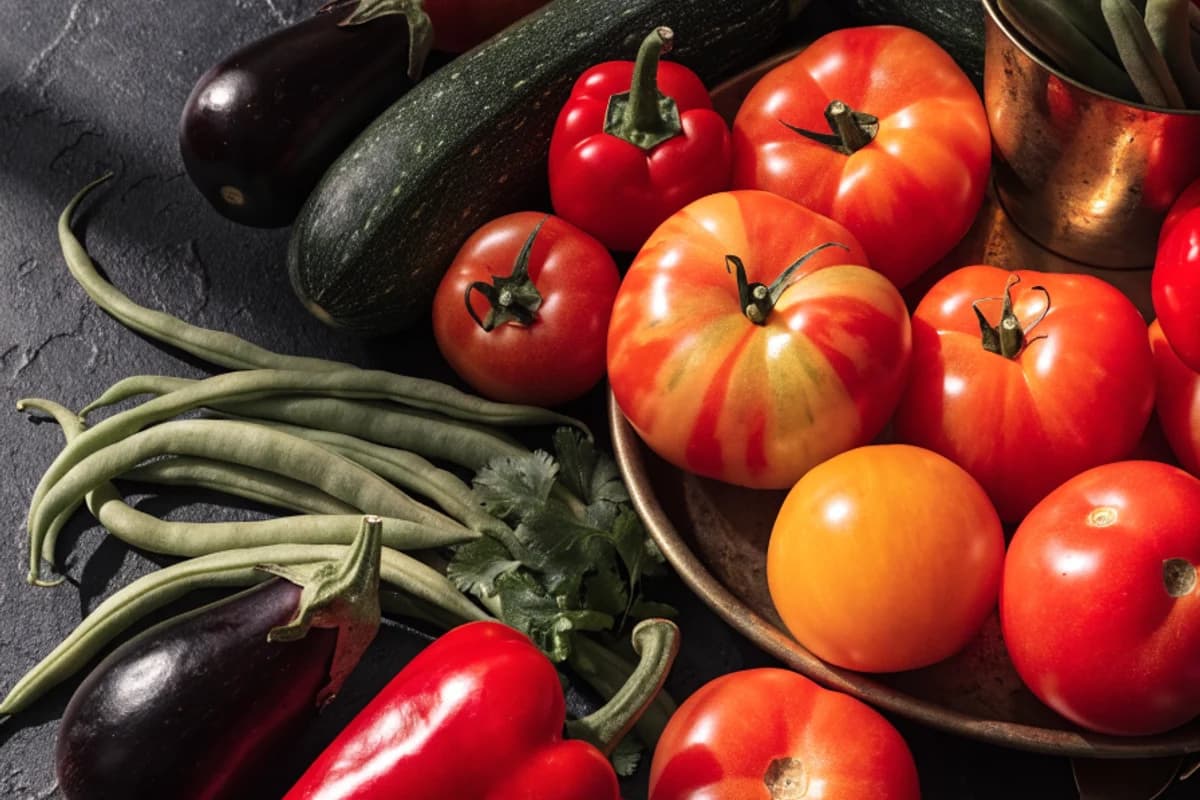
Tomatoes, aubergines, courgettes and beans reward careful control of moisture and cooking time.
Summer is a good time for tomatoes, aubergines, courgettes, peppers, green beans and fresh herbs. These vegetables contain different amounts of water, so avoid tipping everything into the pan at once.
When tomatoes are abundant, cook a simple onion-tomato masala base and freeze it in meal-sized portions. Label each container with the date and keep the seasoning moderate so it can later become chana masala, rajma or a vegetable curry.
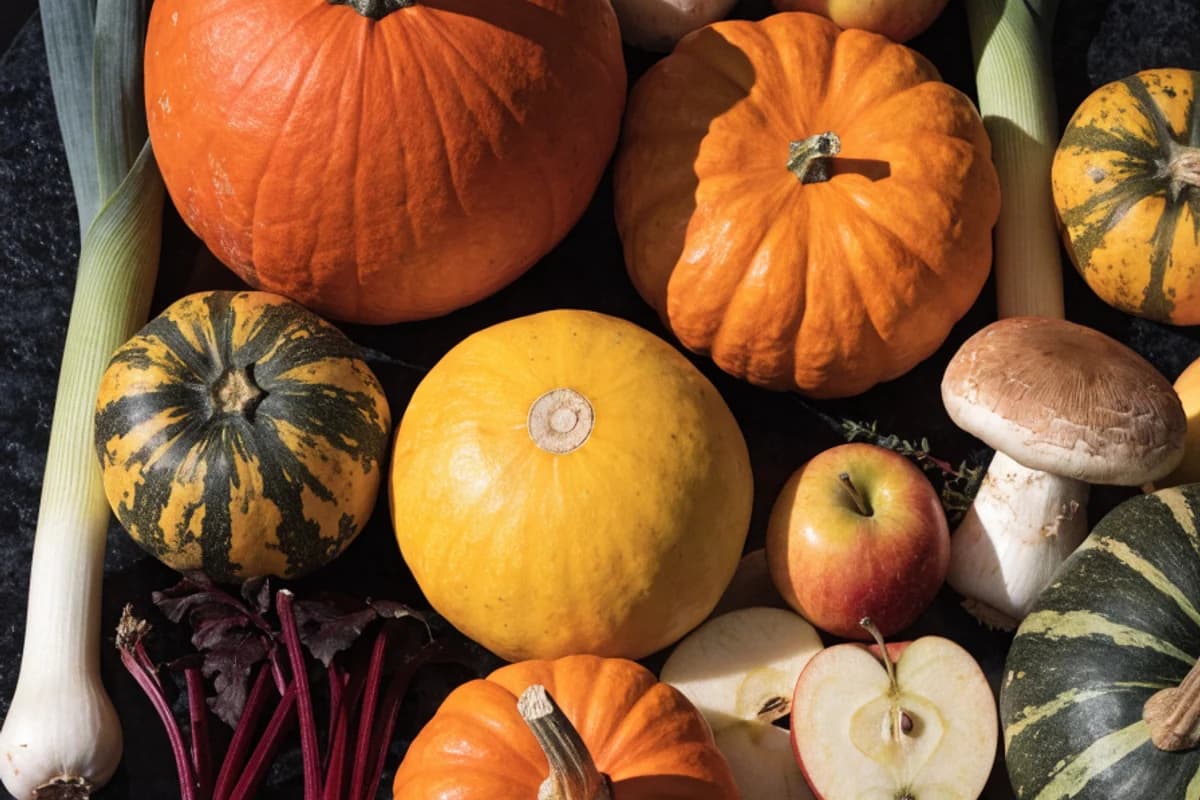
Squash, beetroot and mushrooms bring earthy flavour to dals, curries and batch cooking.
Pumpkin, squash, beetroot, mushrooms, leeks and the first main-crop roots make autumn particularly useful for batch cooking. Their earthy flavours benefit from acidity as well as spice.
Squash and lentils cook into a naturally thick dal, while mushrooms can give a drier masala a satisfying savoury character.
Start with meals rather than buying an attractive selection with no plan. A balanced vegetable basket for one week might include:
Combine those vegetables with two pulses, rice or flatbread, tomatoes, coconut milk or plant yogurt, and the spices already in your cupboard. This creates variety without turning one recipe into an expensive specialist shop.
Fresh is not automatically better for every purpose. Frozen peas and spinach are convenient, minimise preparation and can reduce waste. Tinned tomatoes, chickpeas and beans provide consistency and shorten cooking time. Fresh produce is most valuable where its texture matters, such as roasted cauliflower, crisp beans or an aubergine curry. Choose the format that matches the dish and your week. A bag of frozen spinach that is completely used is a better purchase than fresh leaves forgotten in the fridge.
No. Many spice techniques work extremely well with vegetables commonly grown in the UK. The important choices are cooking time, moisture and how the vegetable is cut, not whether it appears in a fixed list.
Yes. Frozen peas, spinach, cauliflower and mixed vegetables can all be useful. Add them without excessive thawing water and adjust the simmering time because their texture may soften faster.
Plan two or three meals that use it, store it dry in the refrigerator, and use the tender stalks in curry bases. Leaves can also be blended with chilli and citrus into a chutney.
Potatoes are exceptionally flexible, but the best choice is usually the vegetable that can appear in more than one planned meal. Cauliflower, spinach, cabbage and squash are also adaptable.
Helpful kitchen picks
These optional shopping links are selected for the guide above. We may earn a commission from qualifying purchases at no extra cost to you.
Affiliate partner
Explore organic groceries and ethical kitchen essentials to complement your seasonal cooking.
Visit Ethical Superstore →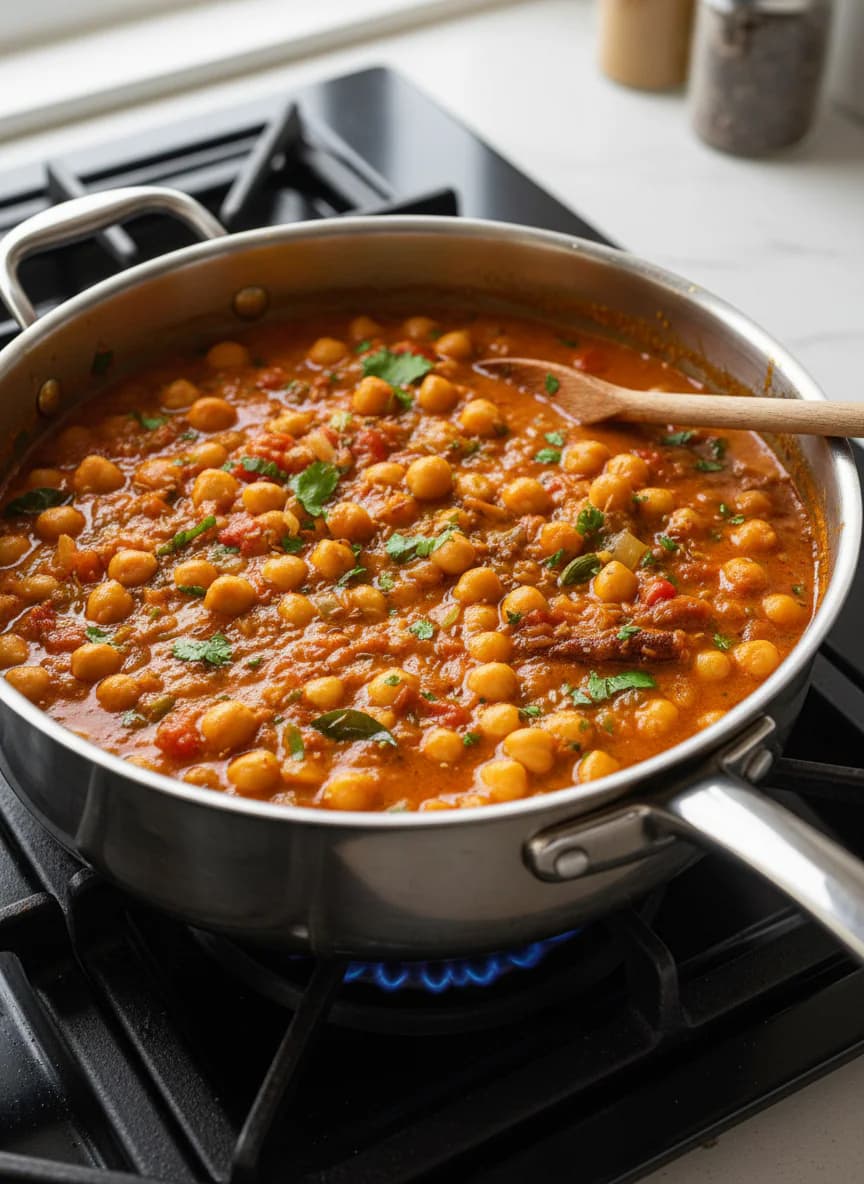
Sweet potato, chickpeas and spinach make a colourful curry with creamy coconut, warming spice and plenty of texture. The natural sweetness is balanced by tomato, chilli and fresh herbs.
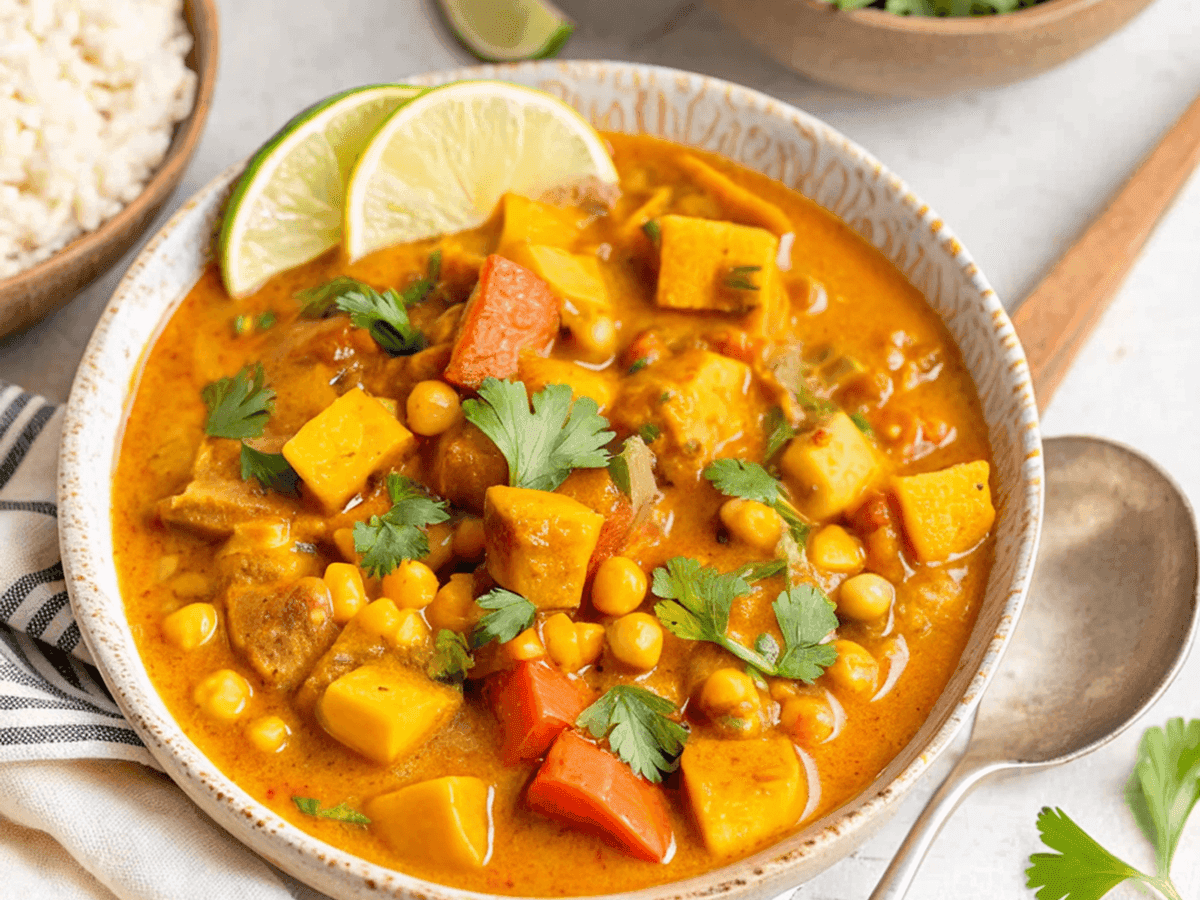
Roasted sweet potato and chickpeas meet a coconut-tomato sauce fragrant with cumin, coriander, turmeric and garam masala.
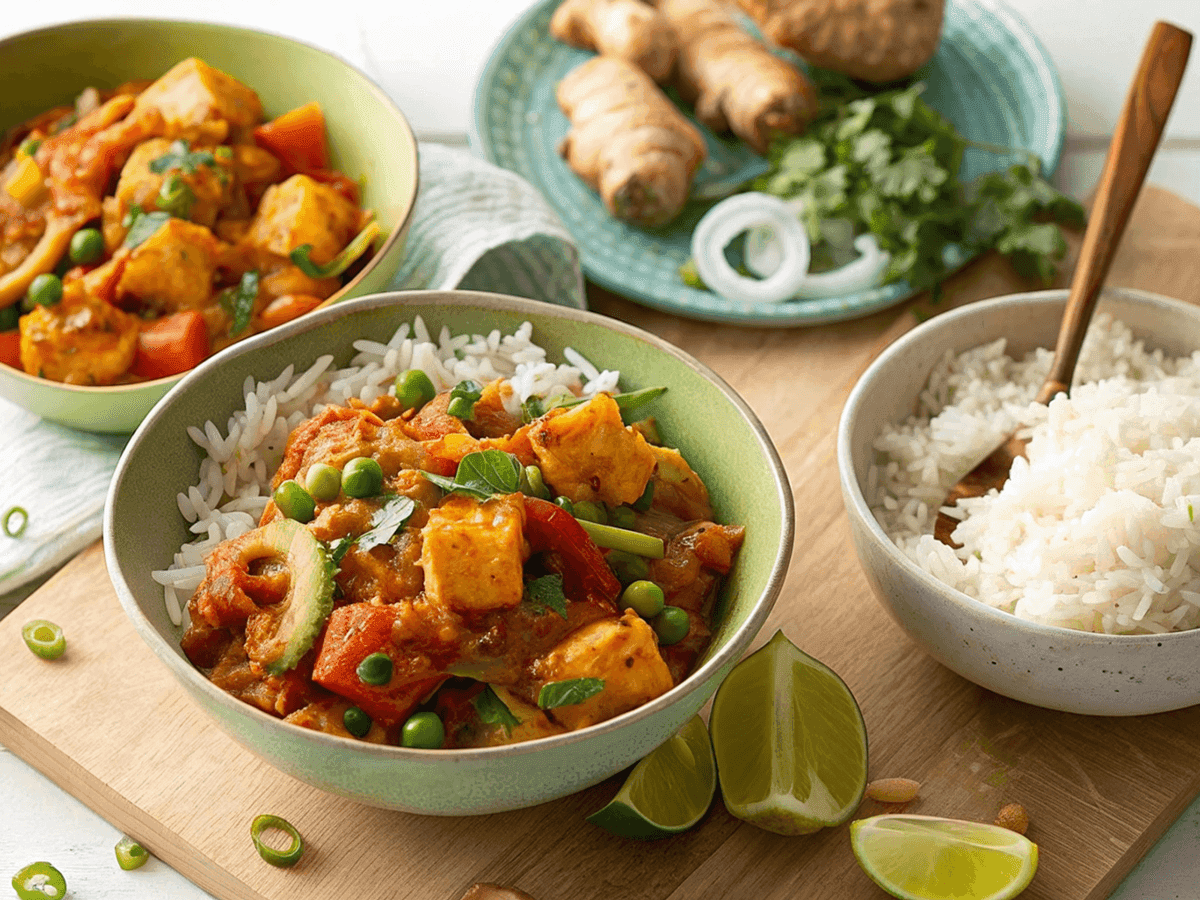
Seasonal vegetables cook in a bold homemade balti paste with tomato, chilli, cumin, coriander and garam masala.
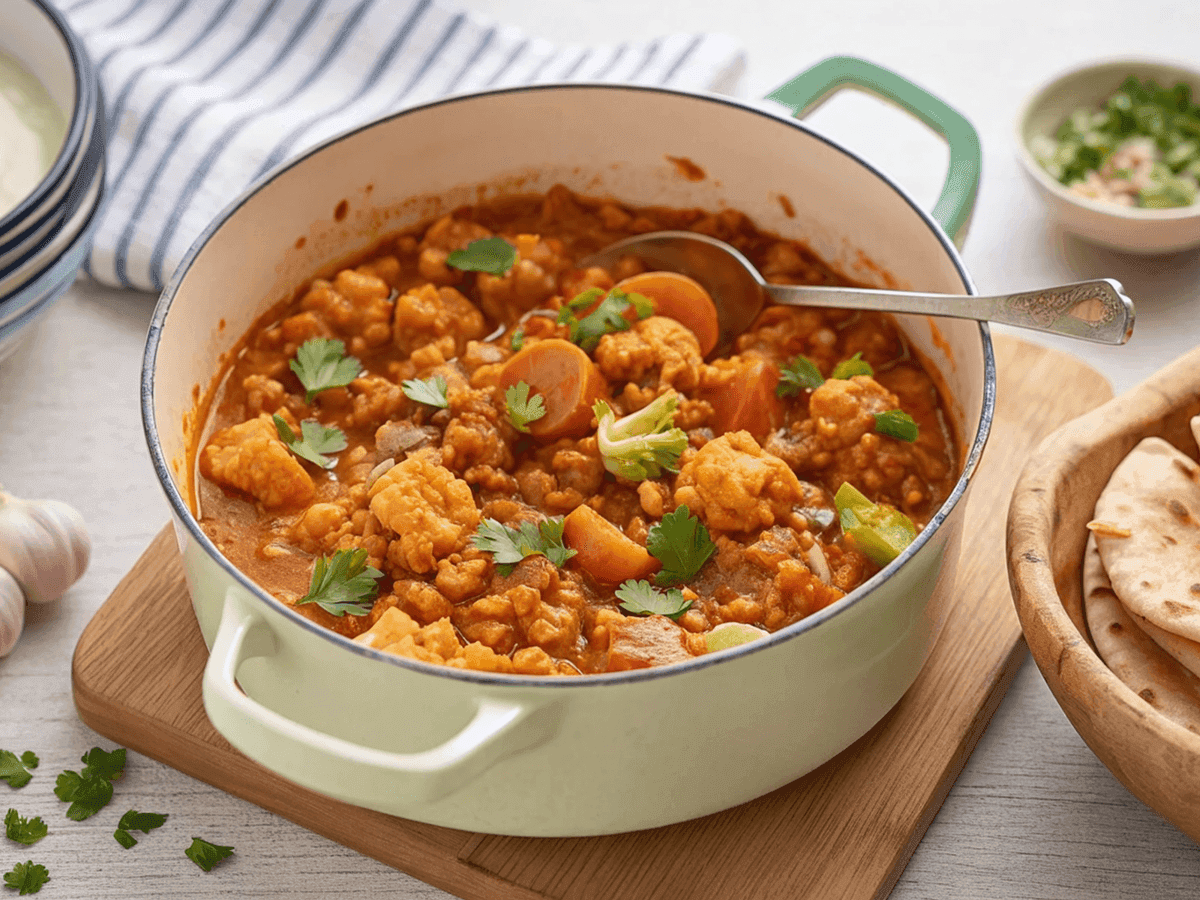
Red lentils, roasted sweet potato and cauliflower make a thick vegetable dhansak balanced with tomato and warming spice.
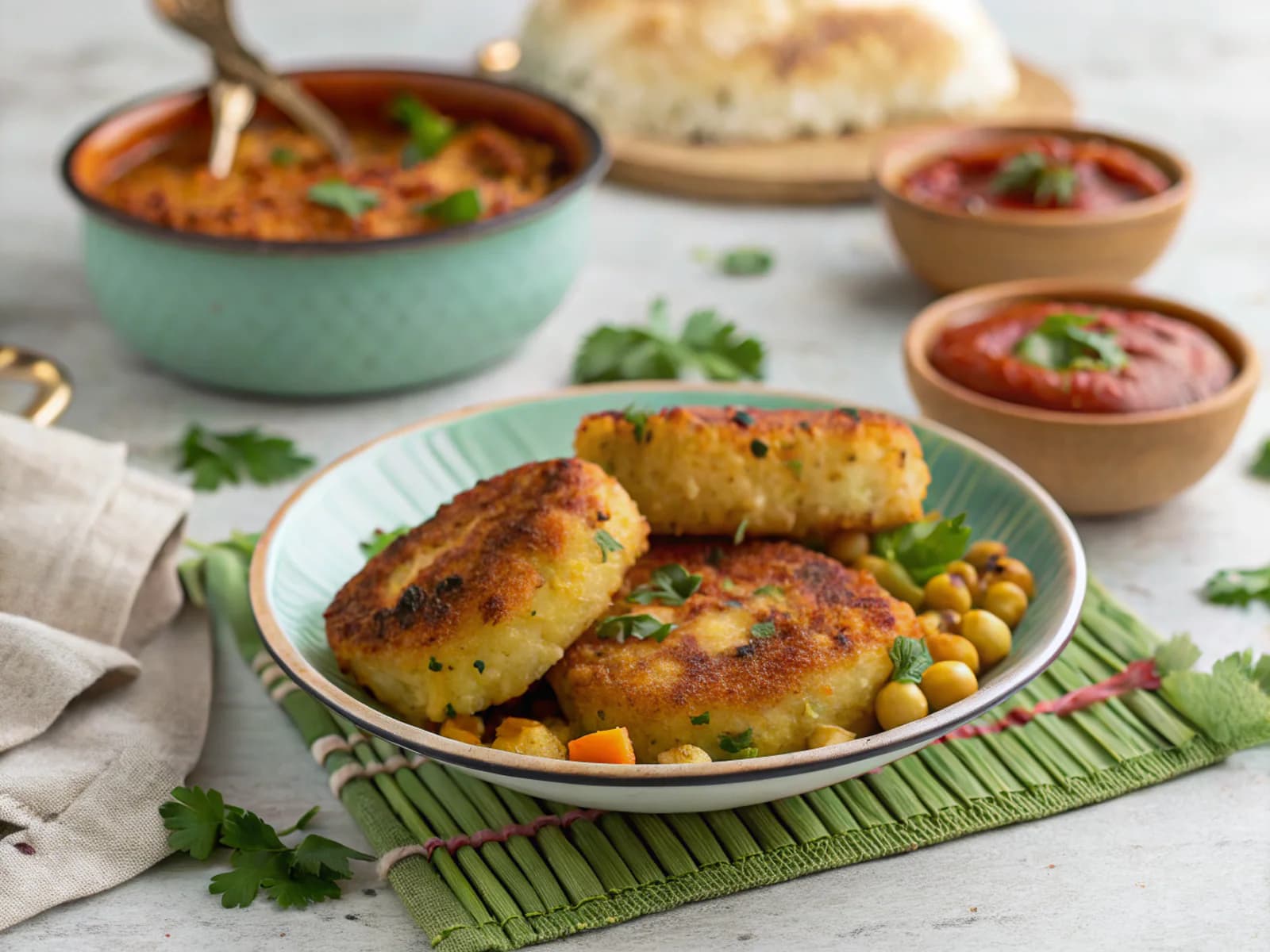
These golden aloo tikki hide a soft, warmly spiced potato centre beneath a crisp crust. Pile them with chickpeas and chutneys for proper chaat, or enjoy them hot from the pan.
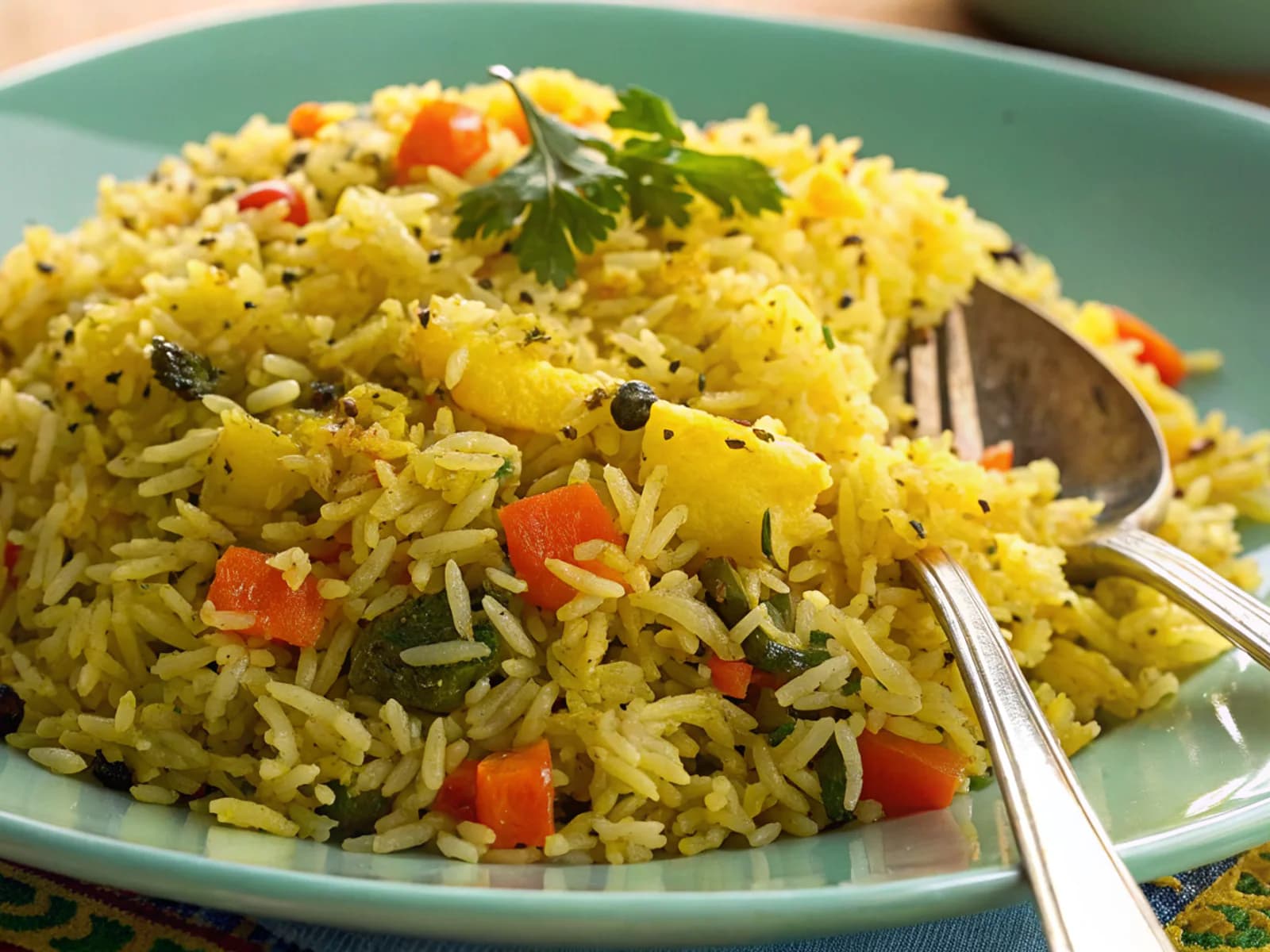
Vegetable pilau folds sweet vegetables and aromatic whole spices through fluffy basmati. It is colourful enough to take centre stage yet balanced enough to sit beside a rich curry.