
Affiliate partner
Shop with Ethical Superstore
Browse vegan pantry essentials that can help turn the weekly list into a practical shop.
Visit Ethical Superstore →

Plant-based Indian recipes, made authentically
vegan-masala.com
information@vegan-masala.com
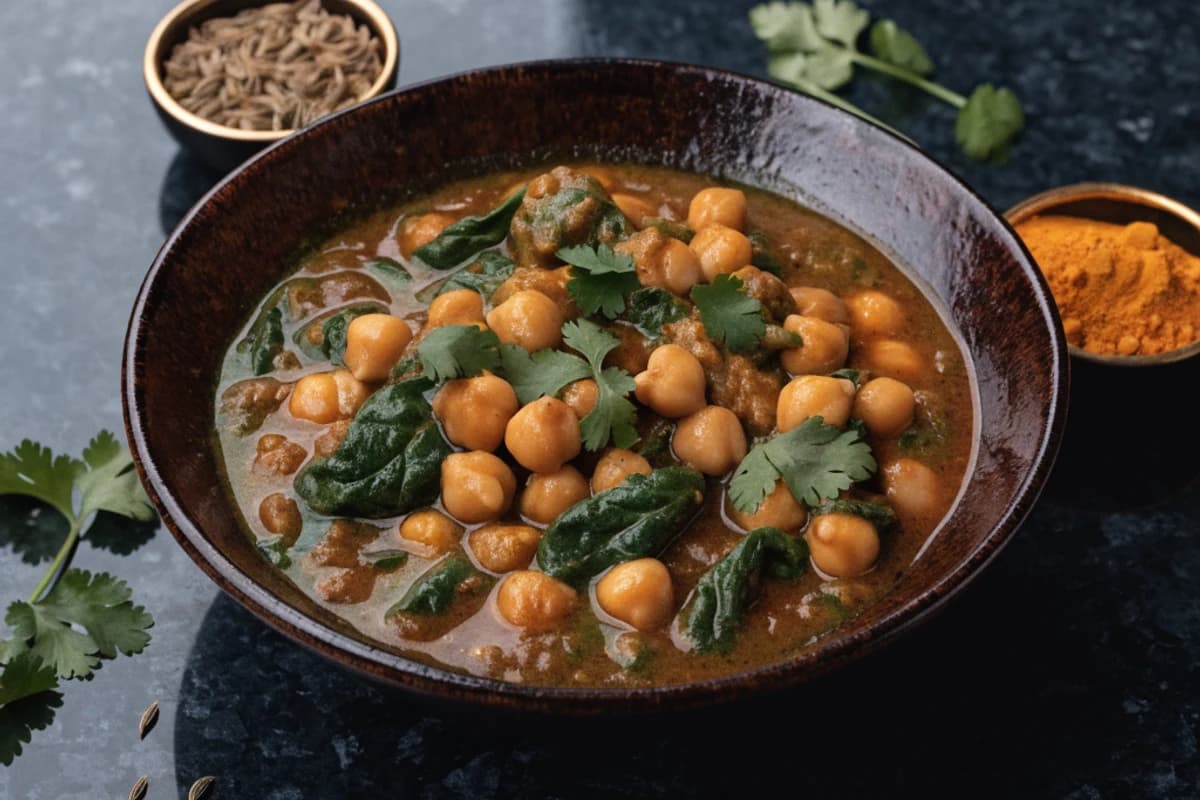
Build a flexible weekly shopping list for vegan Indian meals using overlapping ingredients, sensible quantities and dependable pantry staples.
A useful grocery list is not a catalogue of everything a recipe might need. It is a short plan connecting several meals, the food already at home and the number of people being served. For vegan Indian cooking, a few overlapping ingredients can produce considerable variety when the spice blends and cooking methods change. This framework is designed to be adjusted. Household appetite, packed lunches, existing pantry stock and social plans matter more than a universal list.
Count the evenings that genuinely need dinner at home. Mark the busiest nights, any meals that need to travel and one evening suitable for cooking a larger component. Planning seven ambitious dinners for a week containing late finishes usually leads to waste. A realistic structure might include:
Pulses and tofu make a list easier to organise. Choose two or three rather than a different protein for every day. For example:
Other useful choices include kidney beans, moong dal, black lentils, peas and plant yogurt. Check whether dried pulses require soaking before assigning them to a busy evening.
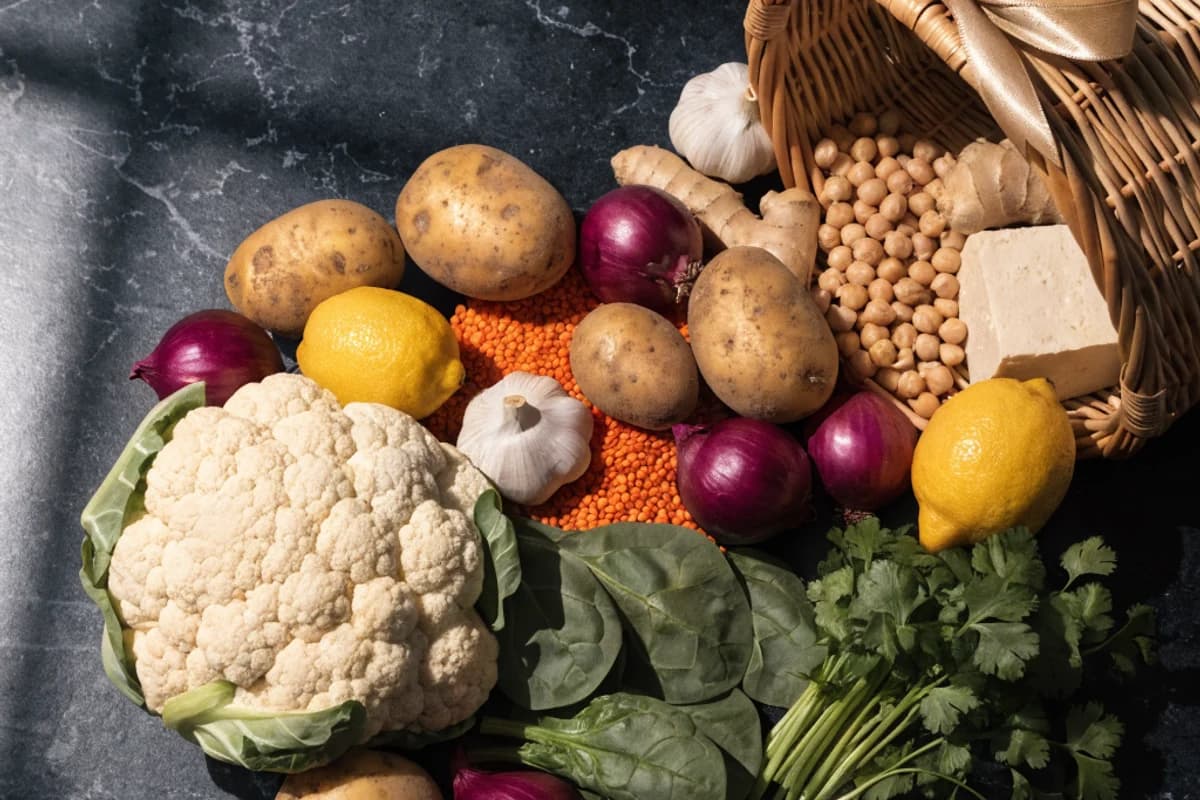
Choose produce, pulses and tofu that can work across several planned meals.
Choose vegetables that can cross between planned meals. One cauliflower might be divided between a roasted side and curry. Spinach can finish dal and accompany tofu. Potatoes can support a dry sabzi, curry or stuffed flatbread. A practical basket usually contains:
Basmati rice is dependable, but not every meal needs rice plus bread. Choose portions according to the rest of the plate. Keep one quick option available for evenings when plans fail: ready-cooked rice, frozen homemade flatbread, or a simple grain that cooks without attention. Convenience can prevent an unused basket of fresh ingredients becoming a takeaway followed by waste.
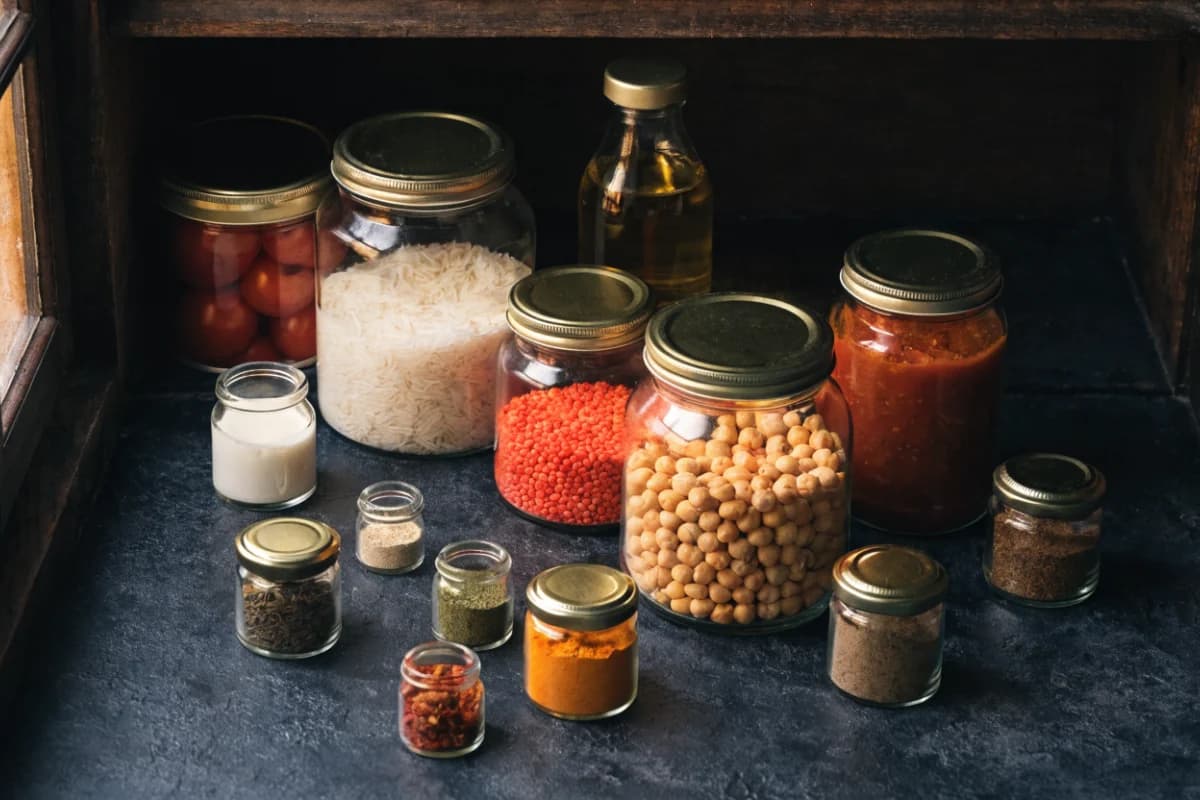
A quick pantry check prevents duplicate purchases and reveals the quiet essentials that need replacing.
Review spices before adding them automatically. The core list often includes cumin seeds, ground coriander, turmeric, chilli and garam masala. Depending on the week, add mustard seeds, curry leaves, amchur, tamarind or coconut milk. Also check neutral oil, salt, tomato purée and an acidic finish such as lemon. These quiet ingredients are often the reason a planned recipe cannot be completed.
For a week based around dal, chana masala, tofu curry and mixed vegetables, the list might contain:
This is a framework, not a mandatory basket. Remove anything already owned and adjust quantities to the household.
Check the [low-waste vegan Indian kitchen guide](/guides/low-waste-vegan-indian-kitchen) before shopping, then add chosen recipes to the [meal planner](/meal-planner) to build one organised list.
The cheapest pack is not always the best value. Consider how much will be used before quality declines. A smaller herb pack used completely may cost less than a large bunch partly discarded. A larger bag of rice is sensible when stored dry and eaten regularly. For unfamiliar ingredients, buy the smallest practical amount first. Repeat purchases provide better evidence than an optimistic bulk order.
Shopping availability changes. Plan the role of an ingredient so it can be replaced sensibly.
Avoid substitutions that alter food safety or structure without checking the recipe carefully.
Plan only the meals likely to be cooked. For many households, four or five planned dinners plus leftovers and one flexible meal is more realistic than seven separate recipes.
Use dried pulses when you cook them regularly and have time for safe preparation. Tinned pulses cost more per portion but reduce preparation and can prevent plans collapsing on busy days.
Keep spices in one visible area and check it while writing the list. A phone photograph of the shelf is useful when shopping away from home.
A simple red lentil dal, tinned chickpea curry or frozen portion of a familiar meal is dependable. Choose something the household will genuinely eat, not merely something that stores well.
Helpful kitchen picks
These optional shopping links are selected for the guide above. We may earn a commission from qualifying purchases at no extra cost to you.
Affiliate partner
Browse vegan pantry essentials that can help turn the weekly list into a practical shop.
Visit Ethical Superstore →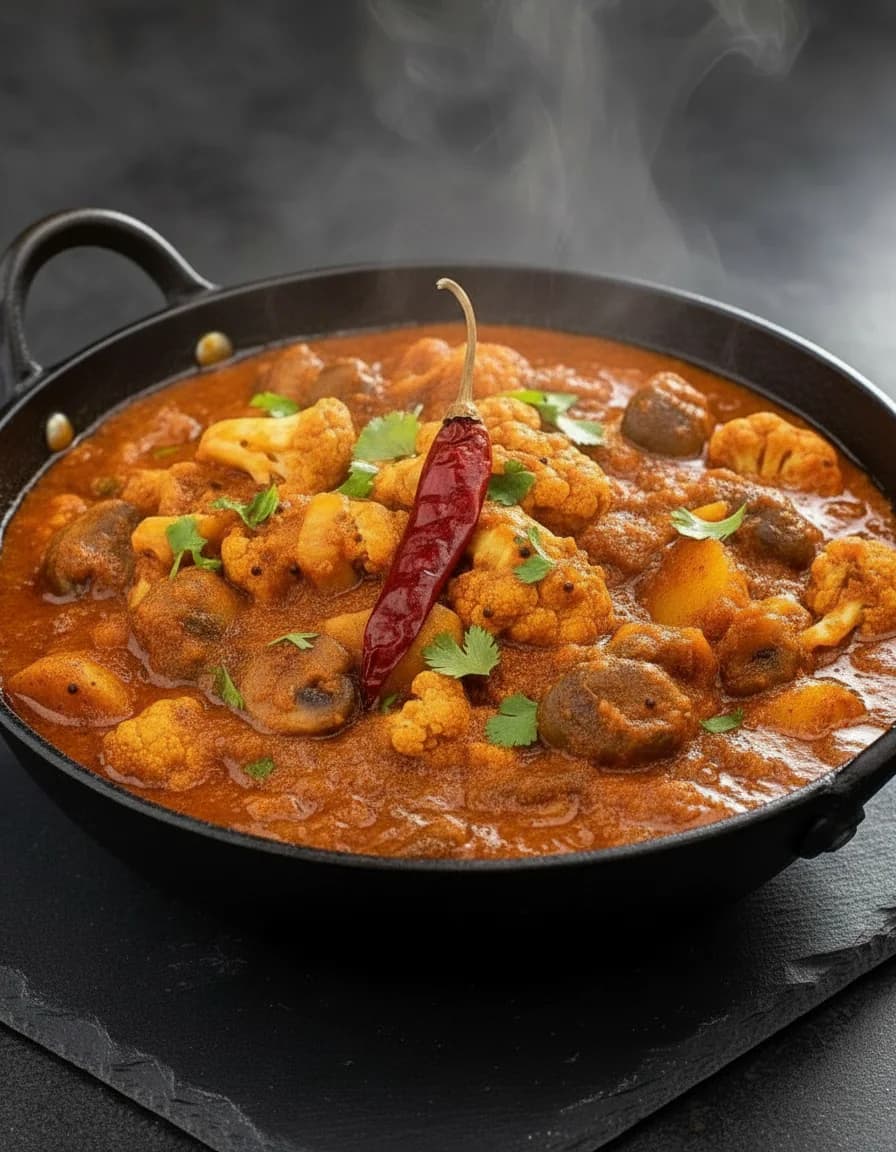
Vegetable vindaloo balances chilli heat with vinegar, garlic and a deeply toasted spice paste. The vegetables bring sweetness and substance to this bright, unapologetically bold Goan-inspired curry.
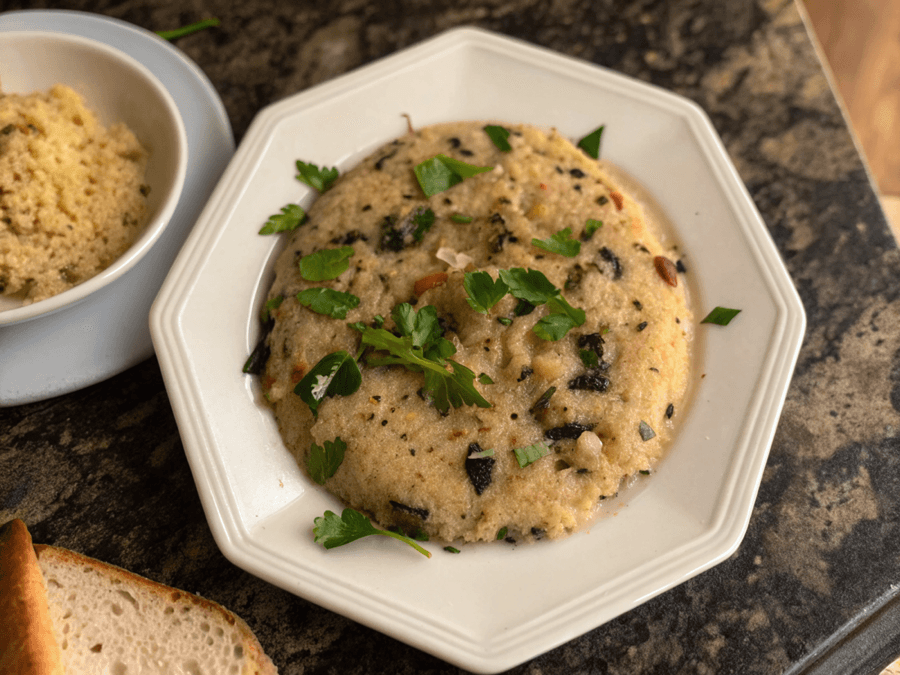
South Indian semolina with mustard seeds, curry leaves and onion for a quick, comforting vegan breakfast.
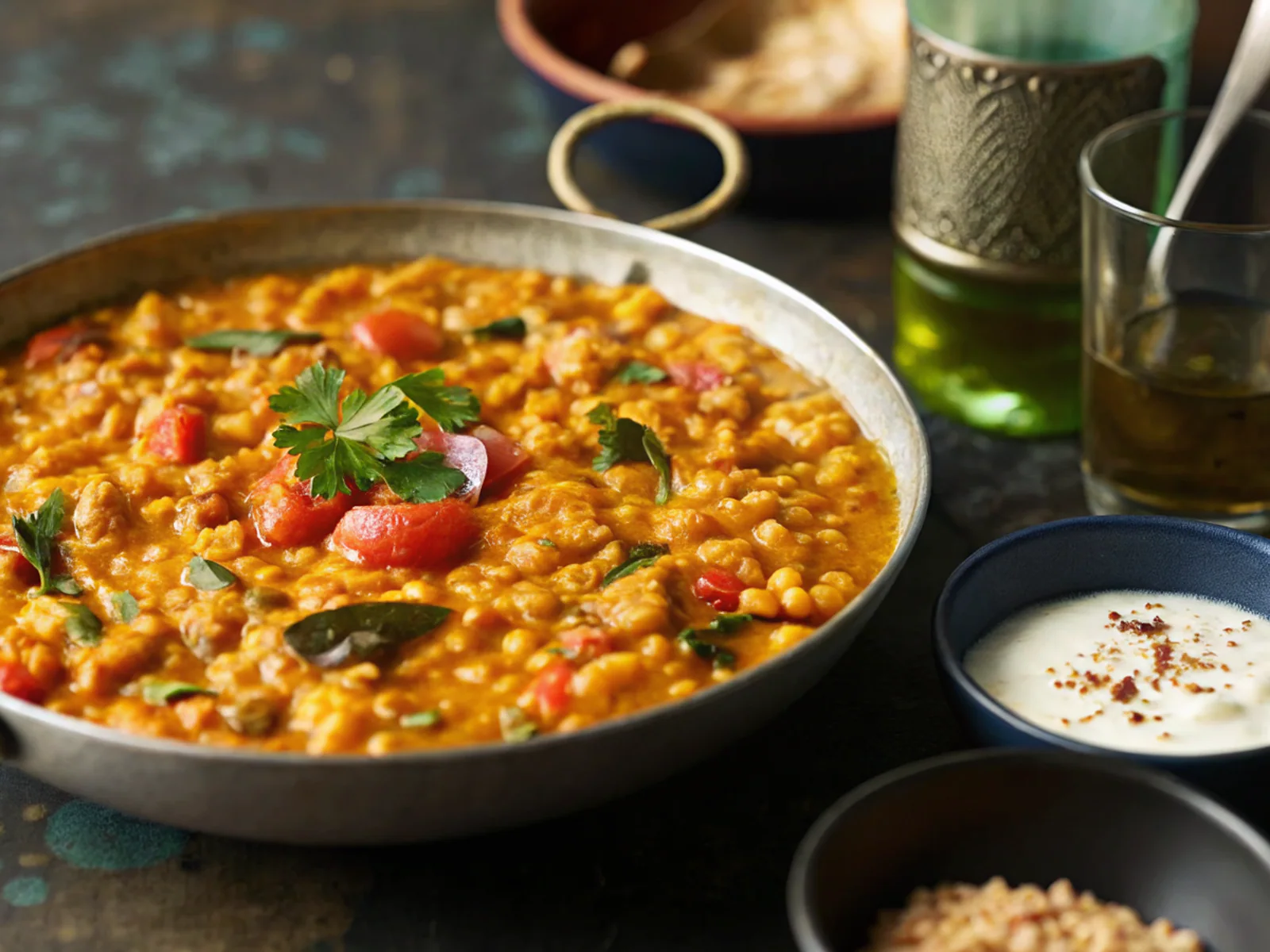
Yellow split peas, tomato and warm spices cook slowly into a thick, soothing dal. The hands-off method gives the lentils time to soften and the seasoning time to become beautifully settled.
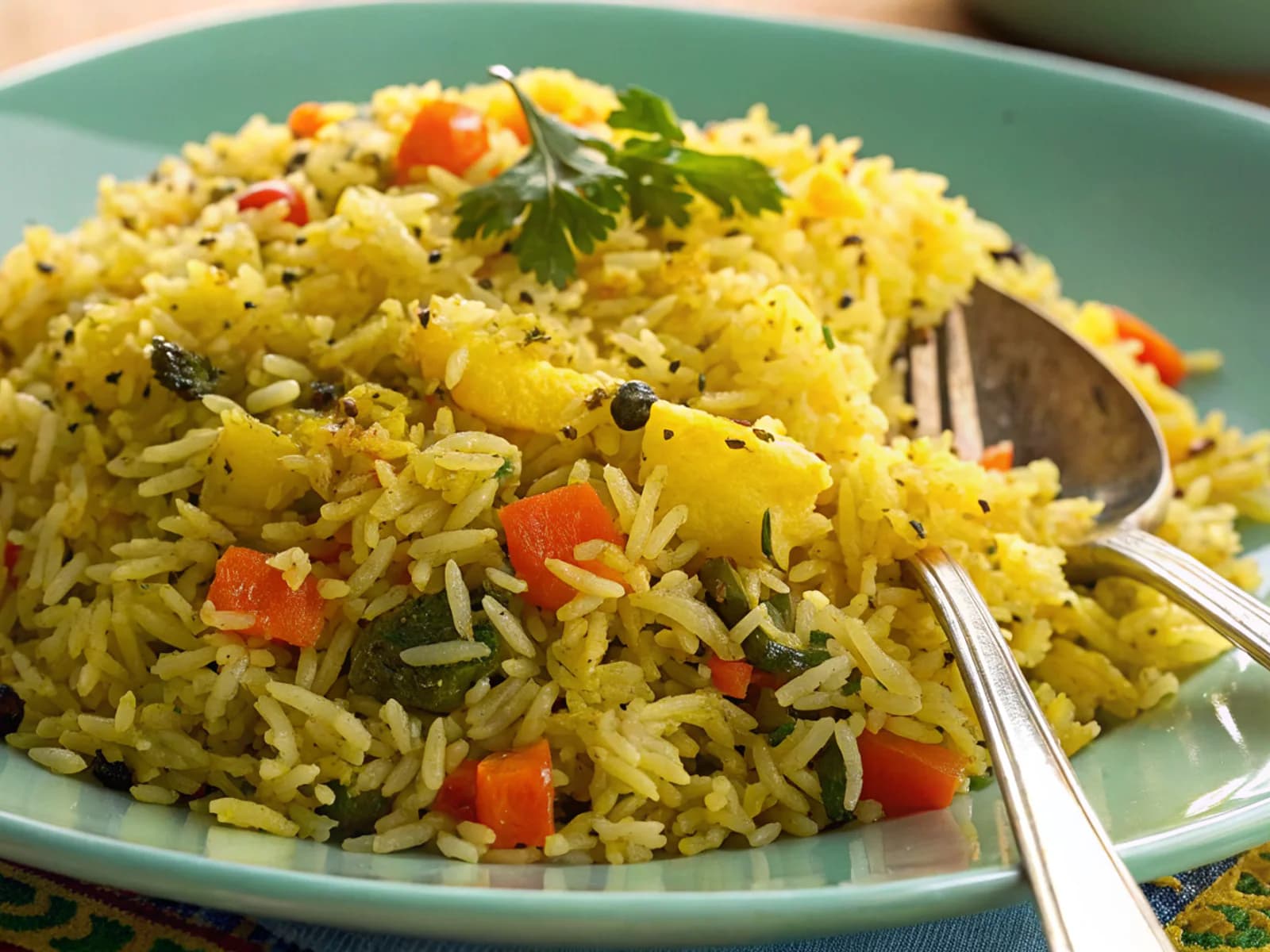
Vegetable pilau folds sweet vegetables and aromatic whole spices through fluffy basmati. It is colourful enough to take centre stage yet balanced enough to sit beside a rich curry.

Odia ghanta tarkari is a generous mixed-vegetable curry in which pumpkin, potato and pulses share a gently spiced gravy. Every spoonful is different, yet the dish feels beautifully unified.
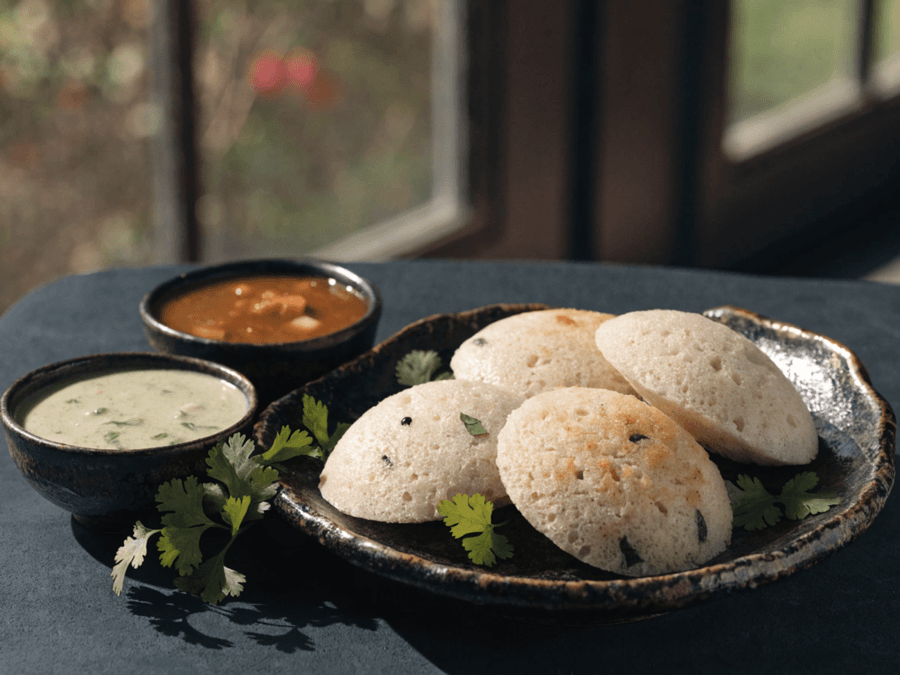
Soft, fluffy oats and semolina idli for a quick vegan breakfast or light lunch, delicious with chutney or sambar.