
Affiliate partner
Shop with Ethical Superstore
Explore ethically sourced rice, pulses and cupboard ingredients while learning how regional Indian cooking differs.
Visit Ethical Superstore →
Plant-based Indian recipes, made authentically
vegan-masala.com
information@vegan-masala.com
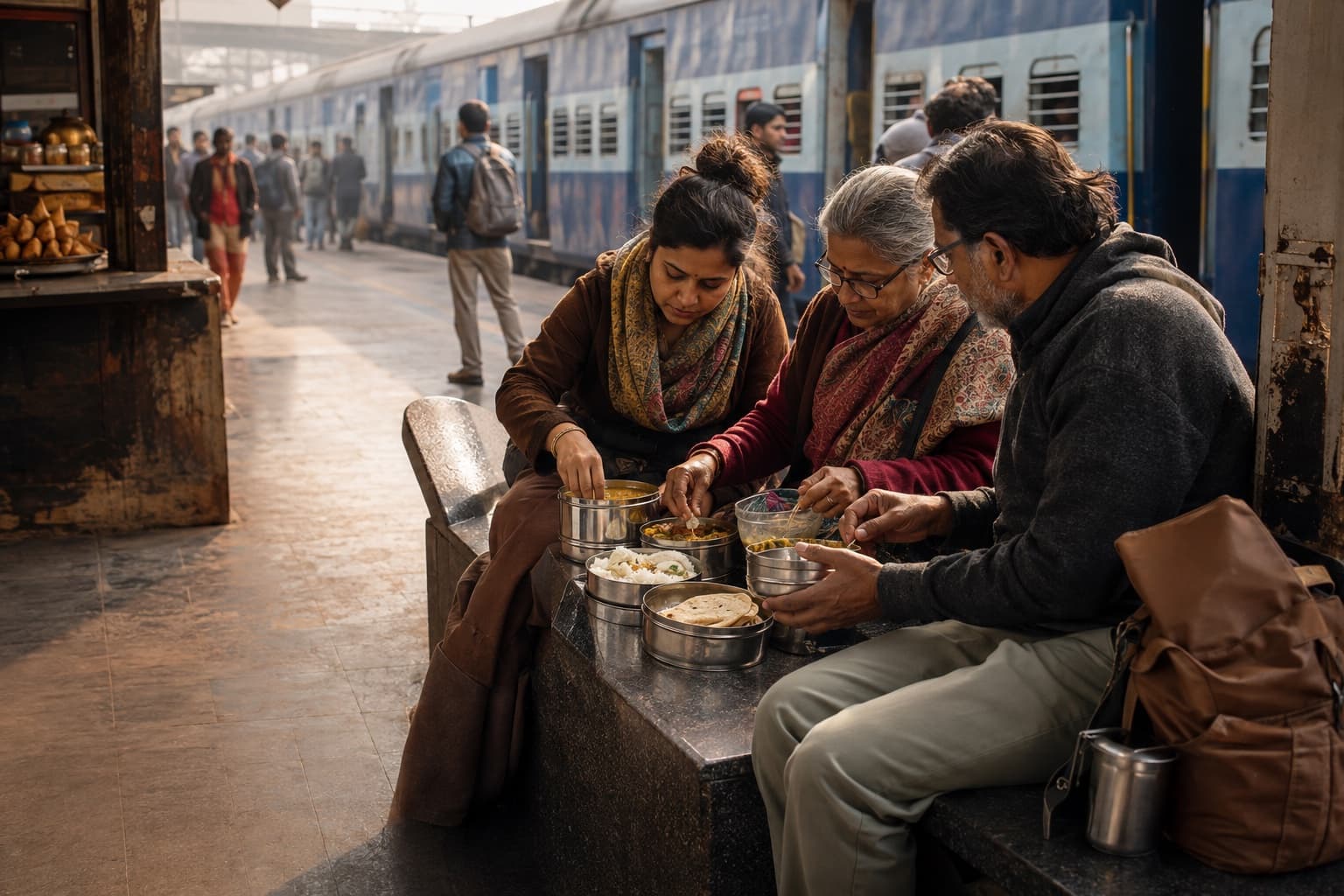
Explore how geography, ingredients and everyday food traditions shape cooking across South India, Gujarat, Punjab and Maharashtra—and learn what to check when eating vegan.
There is no single Indian cuisine. Climate, agriculture, trade, migration, faith, community and household habit have produced many overlapping food traditions, often within the same state. A dish can change from one town—or one family—to the next. That variety gives vegan cooks an enormous amount to explore. Rice, lentils, beans, vegetables, grains, coconut, nuts, seeds and spices already form the structure of countless Indian meals. But “vegetarian” does not automatically mean vegan: ghee, butter, milk, curd, paneer and cream remain important in many regional and restaurant traditions. This guide is a starting point, not a set of rigid borders. It focuses on four broad areas and asks two practical questions: what gives the cooking its regional character, and how can a vegan cook preserve that character without pretending every traditional version is plant-based?
Regional cooking develops around what grows well, what stores safely, which fuels and cooking equipment are available, and how people move and trade. Rice and fermented batters are prominent in many southern food traditions; wheat breads and pulses are central to much Punjabi cooking; Gujarat has a remarkable repertoire of pulses, vegetables, breads and travelling snacks; Maharashtra stretches from inland farming regions to the coconut-and-kokum flavours of the Konkan coast. These are patterns rather than rules. South India contains several states and many distinct cuisines. Punjab is not solely rich restaurant food. Gujarati cooking is not uniformly sweet. Maharashtrian food extends far beyond Mumbai street food. The most respectful way to learn is dish by dish, with the region as useful context rather than a shortcut.

Regional orientation
A broad orientation highlighting Andhra Pradesh, Karnataka, Kerala, Tamil Nadu, Telangana and Puducherry. Each contains multiple cuisines and communities of its own.
“South Indian” covers the varied cuisines of Tamil Nadu, Kerala, Karnataka, Andhra Pradesh, Telangana and neighbouring territories. Rice, lentils, tamarind, coconut, curry leaves, mustard seed and chillies recur in many places, but their balance and use differ considerably. Fermentation transforms rice and black gram into dosa and idli batters. Sambar combines lentils, vegetables, tamarind and a regional spice blend; rasam is lighter and sharply aromatic. Coconut chutneys, vegetable stews, lemon rice and pulse-based snacks show how much flavour can be built without meat or dairy.
Plain idli, many dosas, sambar and several chutneys can be naturally vegan, but preparation matters. A griddle may be greased with ghee or butter. Ghee can finish pongal or rice dishes, curd appears in some batters and accompaniments, and coconut-based dishes are not necessarily free from dairy or animal ingredients. Ask what is used on the pan as well as what is in the batter.

Regional orientation
Gujarat sits on India’s western coast. The map is an orientation aid; food traditions still vary across Kutch, Saurashtra and other parts of the state.
Gujarati cooking brings together vegetable shaak, braised pulses, dal, rice or khichdi, pickles, chutneys, farsan and a wide range of breads. Bajra rotla, rotli, bhakri, thepla and crisp khakhra reflect different grains, textures and needs—from a fresh family meal to food that travels well. Sweetness is part of some Gujarati dishes, but it works alongside sourness, salt, bitterness and heat rather than replacing them. Jaggery may be balanced with kokum, tamarind or lemon; a vegetable shaak can be dry or saucy; pulses provide substance across the plate.
Vegetable and pulse dishes offer many promising starting points, yet a complete vegetarian thali commonly includes curd, kadhi, raita, shrikhand and ghee. Thepla may be made with yoghurt, rotli can be brushed with ghee, and fried snacks require an ingredient check.

Regional orientation
Punjab is highlighted in north-west India. This guide discusses the Indian state while recognising that Punjabi food culture extends beyond modern borders.
Punjabi food is often represented abroad by creamy restaurant dishes, but everyday cooking also includes roti, seasonal vegetables, chickpeas, kidney beans, dals, pickles and leafy greens. Wheat breads are important, while chole and stuffed potato kulcha show how pulses, spice and bread can make a generous meal. Slow cooking, browned onion, ginger, garlic, tomato and whole spices can create substantial flavour before any dairy is added. Mustard greens and other leaves bring a different side of Punjabi cooking into view, particularly when served with rustic breads.
Dairy is especially visible in familiar Punjabi restaurant cooking: ghee or butter on breads, cream and butter in dal, paneer in vegetable dishes, yoghurt in marinades and lassi at the table. Even a vegetable curry may be finished with butter after cooking.

Regional orientation
Maharashtra stretches across western and central India. Mumbai, the Konkan coast and inland districts contribute distinct but connected food stories.
Maharashtra contains several food traditions. Mumbai’s street food is only one part of the picture, but it provides an inviting entrance through vada pav, misal pav, poha and pav bhaji. Inland dishes use grains, peanuts, sesame, pulses and distinctive spice blends; coastal Konkan cooking brings coconut and kokum into focus. Misal illustrates the layered character of the cooking: a sprouted-pulse preparation can be topped with farsan, onion, coriander and lemon, with regional versions varying in heat and sweetness. Bharli vangi gives aubergine body with coconut, peanut, sesame, jaggery and spice. Sol kadhi shows the cooling combination of kokum and coconut milk.
Vada pav and misal can be vegan, but bread, frying and garnishes need checking. Pav bhaji is commonly cooked and served with butter. Puran poli is often finished with ghee, while curd may accompany or garnish other dishes.
All three descriptions can be useful when they are used honestly.
Calling every adaptation “authentic” can flatten the tradition it came from. A better recipe introduction explains what has changed, why it works and which technique or flavour balance has been preserved.
Choose one area to explore for several meals before expanding the cupboard. For a southern menu, begin with rice, urad dal, toor dal, tamarind, mustard seed, curry leaves and coconut. A Gujarati week might add pigeon peas, mung beans, fenugreek leaves, millet flour, sesame, jaggery and kokum. Punjabi cooking can start with chickpeas, kidney beans, whole or split lentils, atta, cumin, coriander and garam masala. For Maharashtra, consider sprouted moth beans, peanuts, sesame, coconut, kokum and goda masala. Buy smaller quantities until an ingredient becomes part of your routine. Regional cooking is learned through repetition and attention, not by owning the longest spice list.
The highlighted maps are broad orientation aids, not definitions of cultural or culinary boundaries. State boundary data is adapted from the DataMeet India community maps under the Creative Commons Attribution 4.0 licence.
No. Indian vegetarian food excludes meat and fish, but it commonly includes dairy. Ask about ghee, butter, milk, curd, paneer and cream, including finishing ingredients and what is used to grease a pan.
There is no single answer, but southern rice-and-lentil dishes, Gujarati vegetable and pulse dishes, Punjabi chickpea and bean dishes, and Maharashtrian poha or usal all provide accessible starting points. The individual preparation matters more than the regional label.
Not automatically. Some dishes are already plant-based, some vary from household to household, and others need a clear adaptation. Respect comes from understanding the original role of an ingredient and explaining changes rather than concealing them.
Names and techniques travel. Local crops, climate, community practice, household preference and available equipment can all change ingredients, texture and serving style. Variation is part of Indian food culture, not an error to be corrected.
Helpful kitchen picks
These optional shopping links are selected for the guide above. We may earn a commission from qualifying purchases at no extra cost to you.
Affiliate partner
Explore ethically sourced rice, pulses and cupboard ingredients while learning how regional Indian cooking differs.
Visit Ethical Superstore →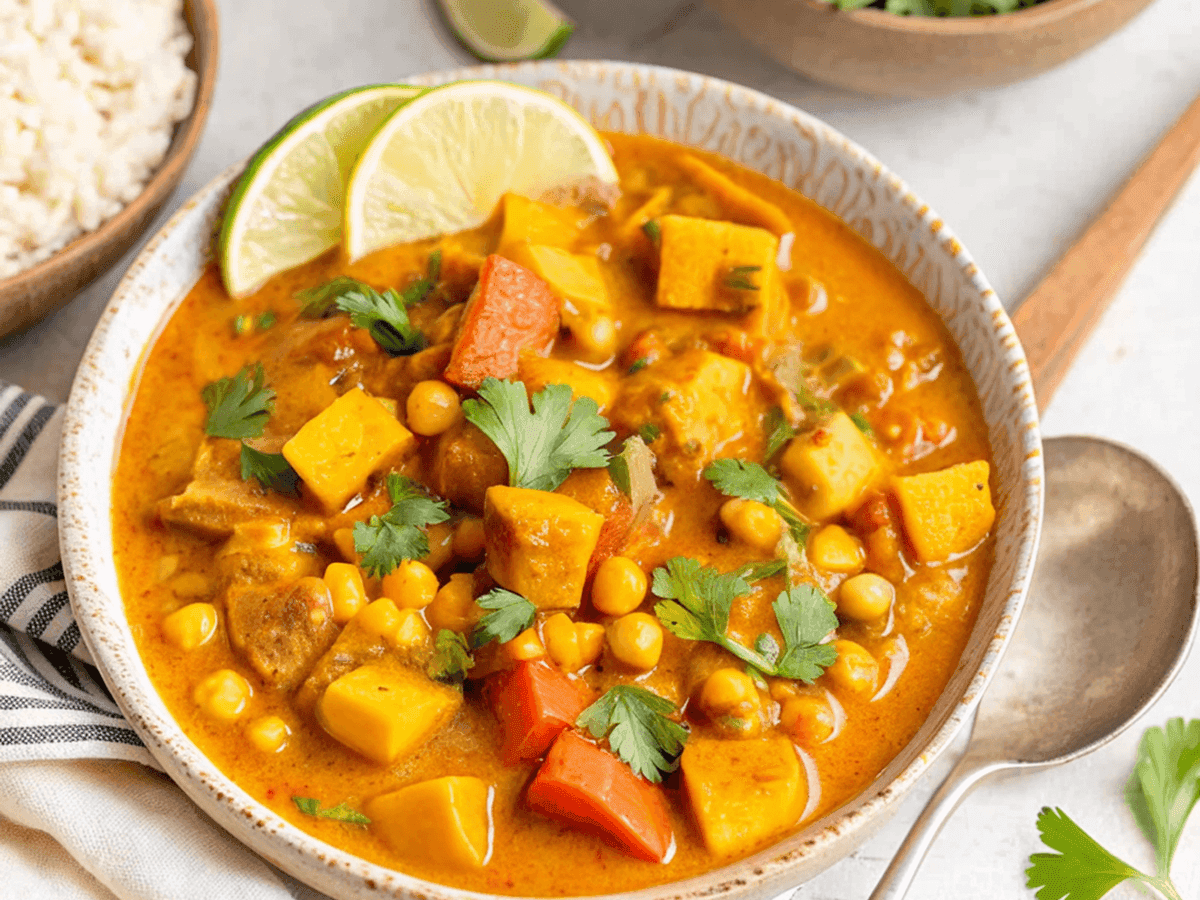
Roasted sweet potato and chickpeas meet a coconut-tomato sauce fragrant with cumin, coriander, turmeric and garam masala.
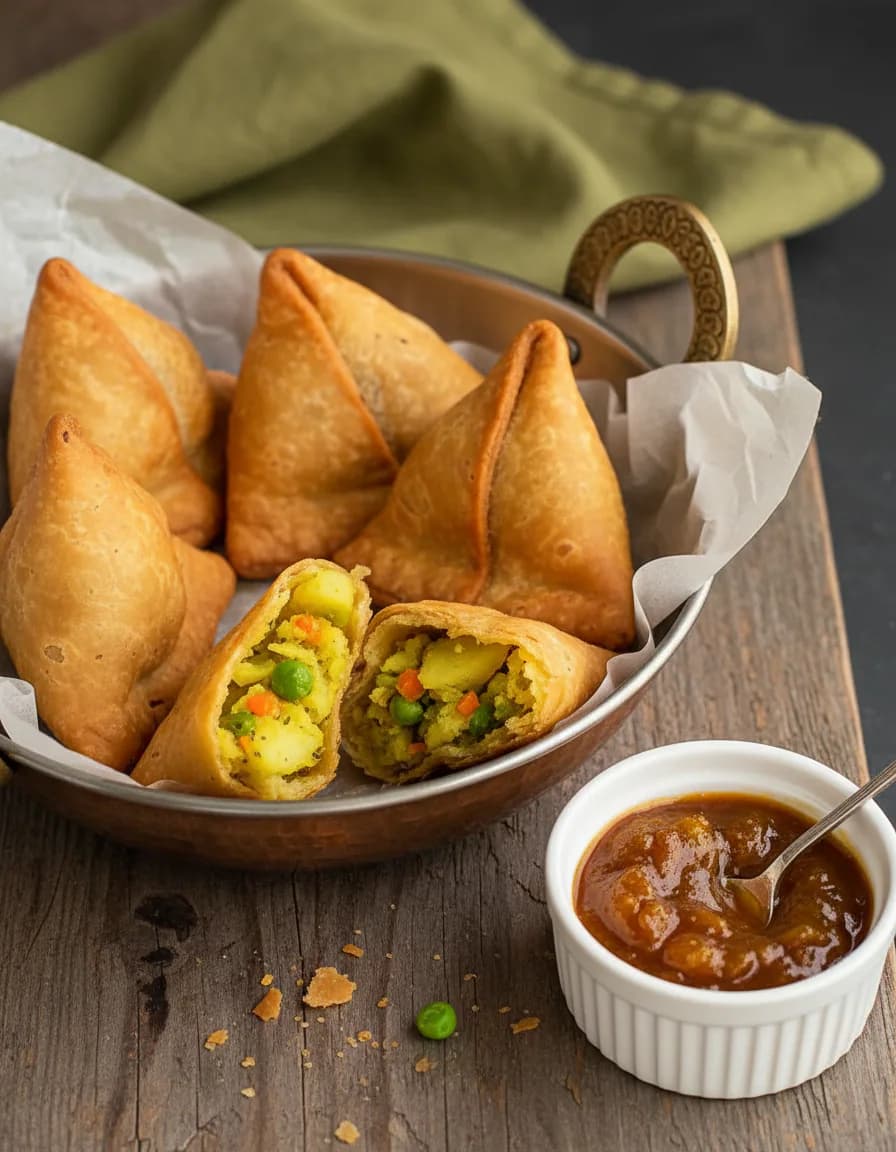
These samosas hide a fragrant potato-and-pea filling inside crisp, flaky pastry. Cumin, coriander and amchur make every bite savoury, tangy and worthy of a generous spoonful of chutney.
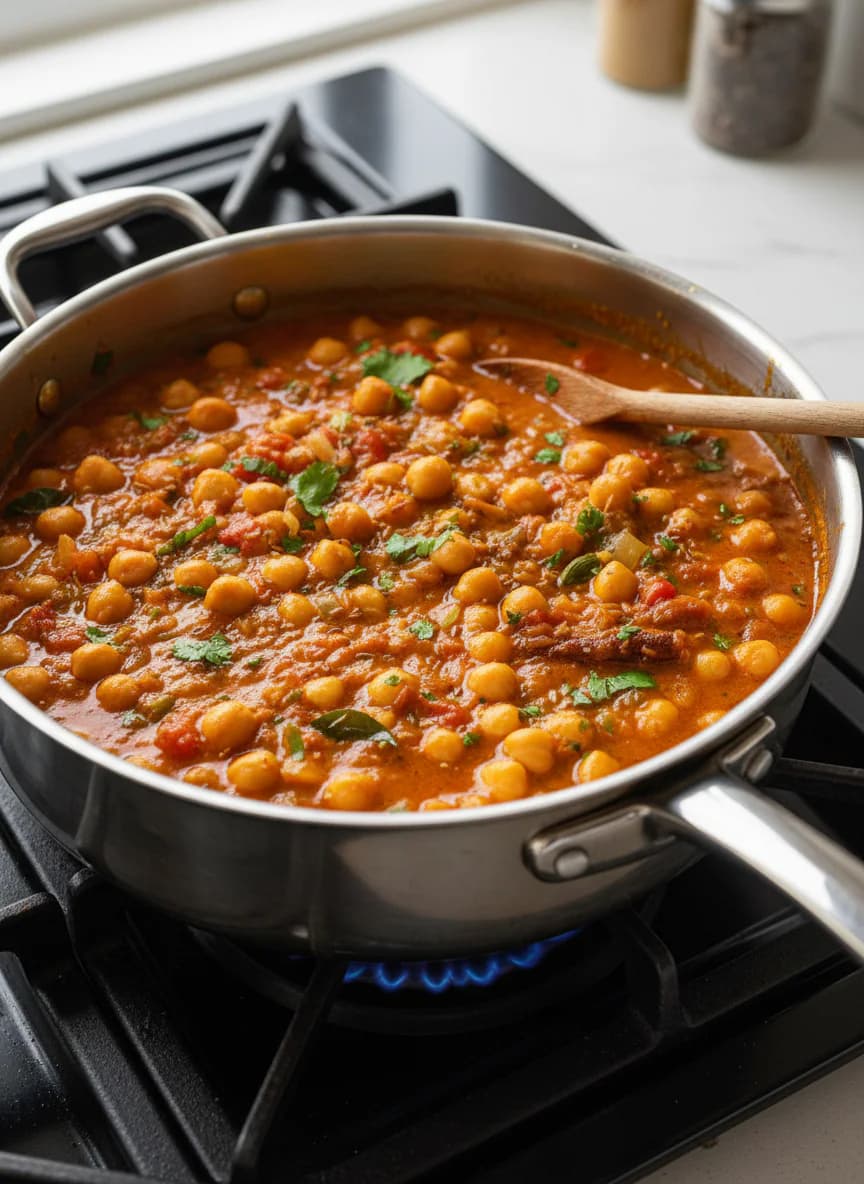
Sweet potato, chickpeas and spinach make a colourful curry with creamy coconut, warming spice and plenty of texture. The natural sweetness is balanced by tomato, chilli and fresh herbs.
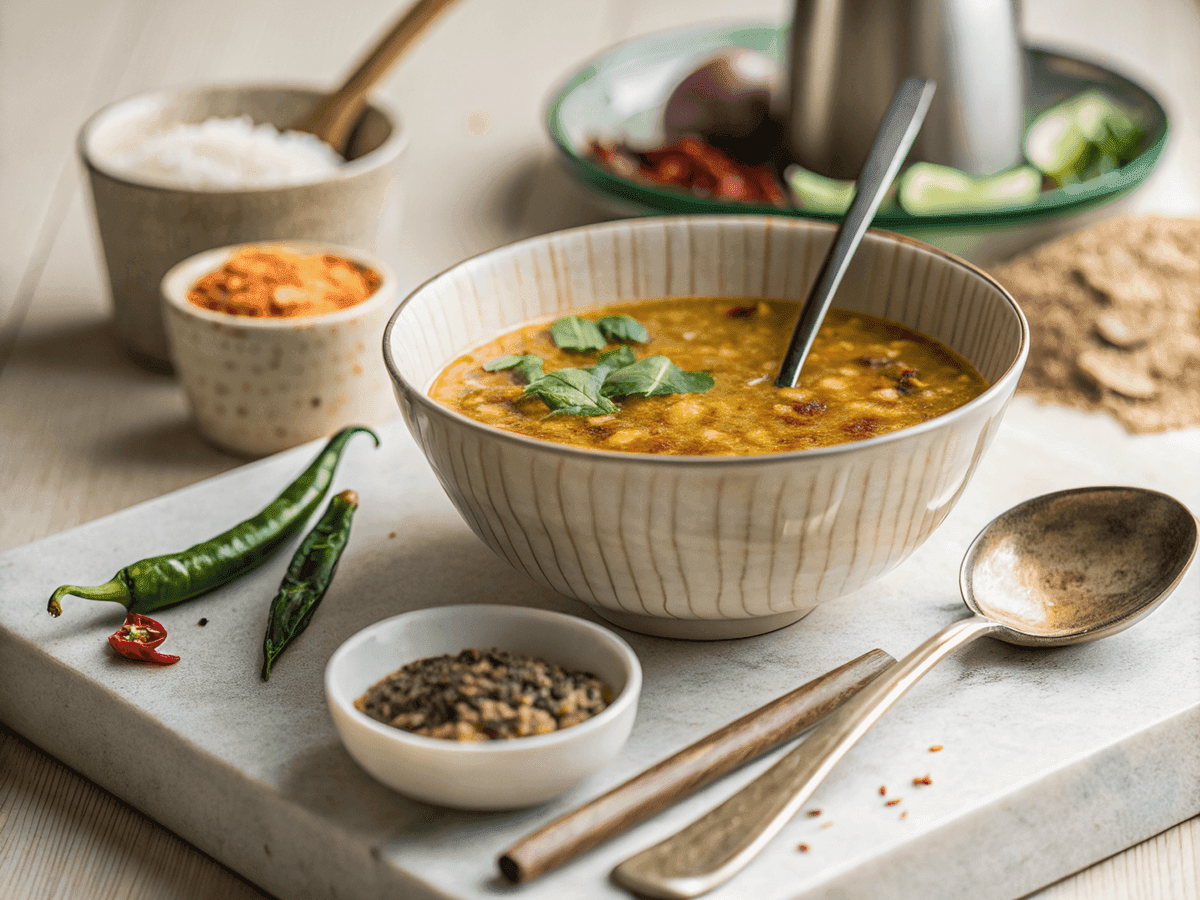
Chana dal simmered until creamy, then folded through a tomato, cumin and chilli tarka for a deeply comforting bowl.
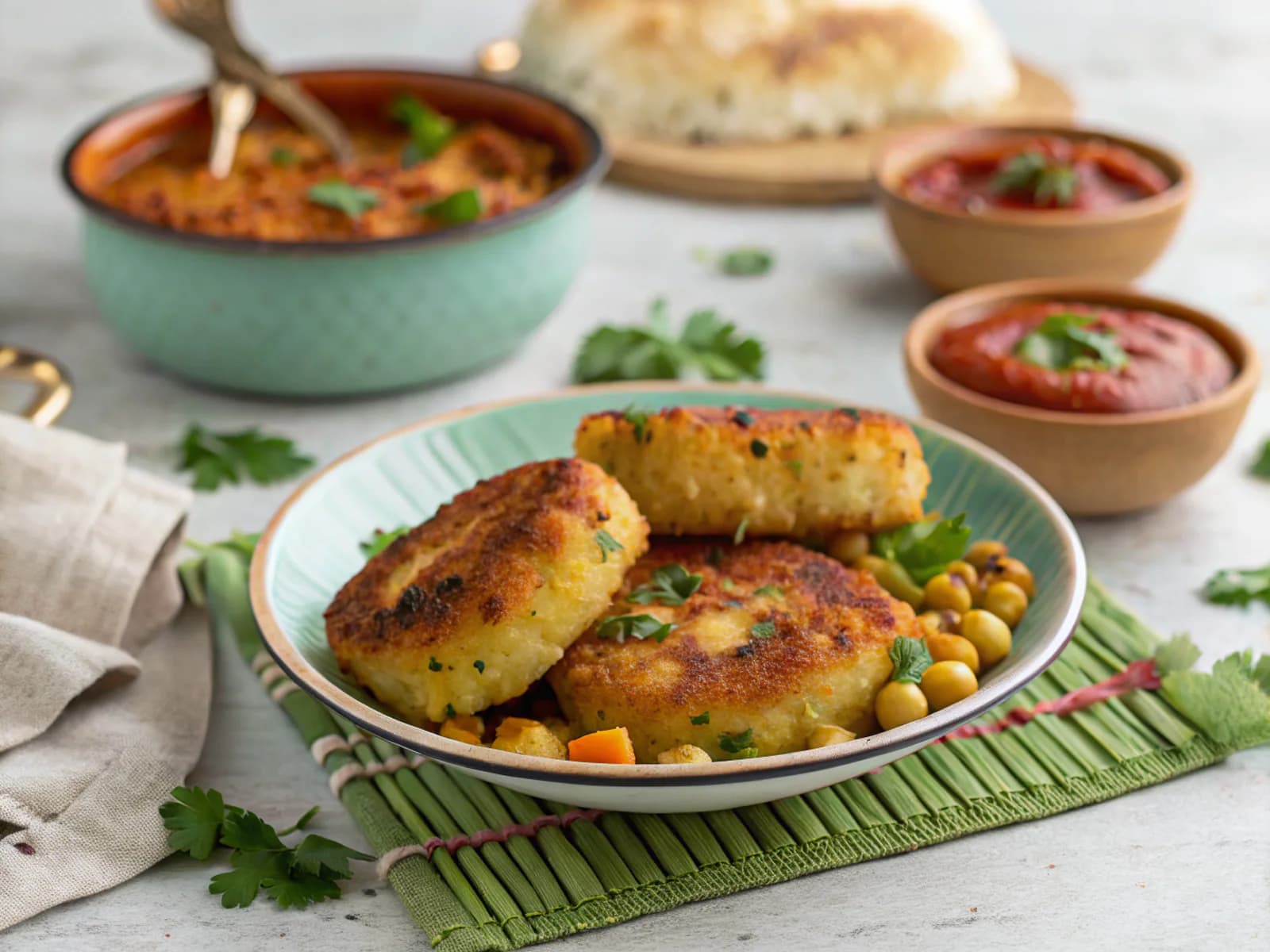
These golden aloo tikki hide a soft, warmly spiced potato centre beneath a crisp crust. Pile them with chickpeas and chutneys for proper chaat, or enjoy them hot from the pan.
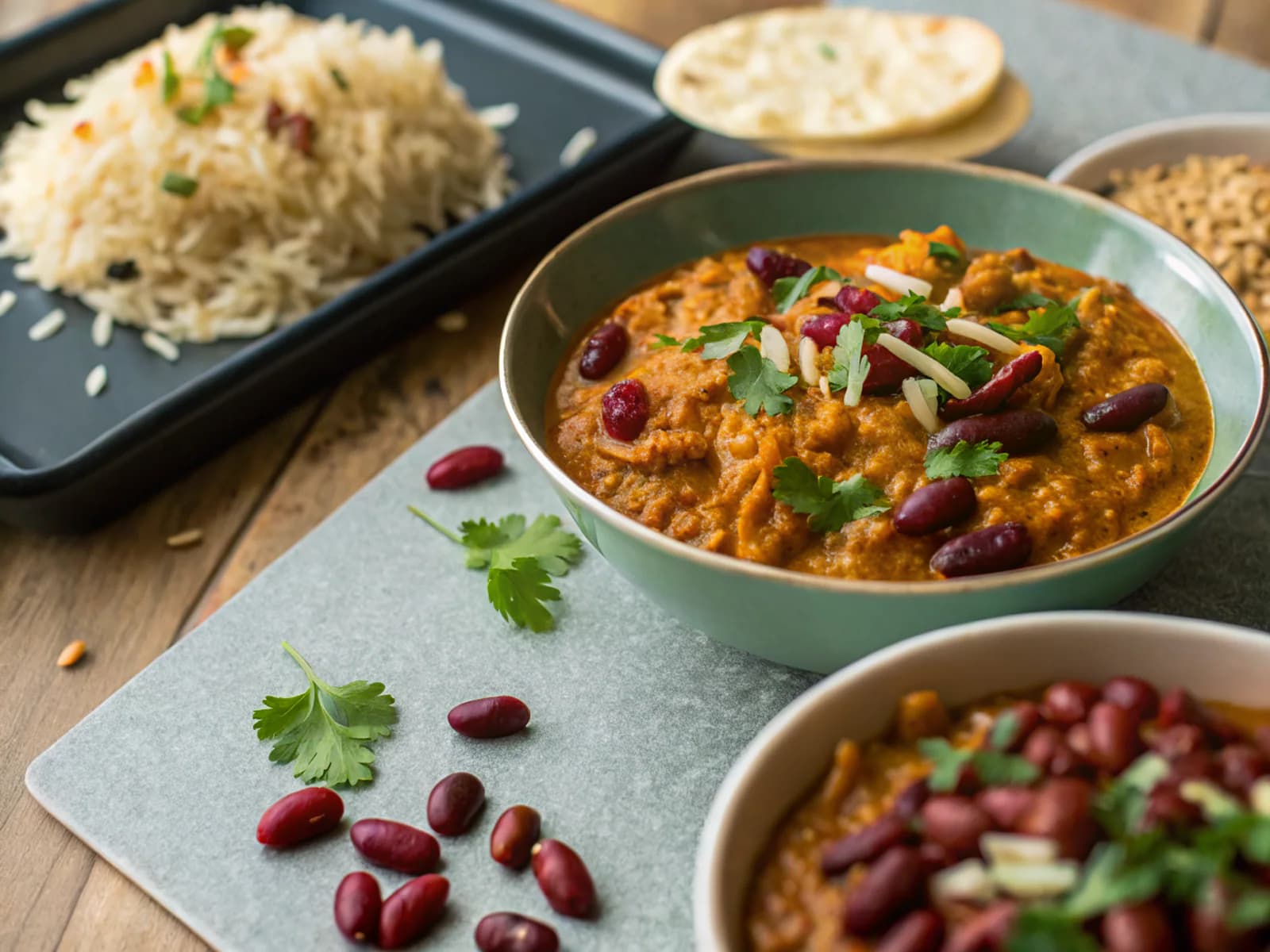
Earthy lentils and kidney beans simmer with coconut and warm spice in this substantial dal. It is creamy without feeling heavy and robust enough to anchor a simple supper.