
Affiliate partner
Shop with Ethical Superstore
Browse ethical household, refill and cupboard options that can support a lower-waste kitchen.
Visit Ethical Superstore →
Plant-based Indian recipes, made authentically
vegan-masala.com
information@vegan-masala.com
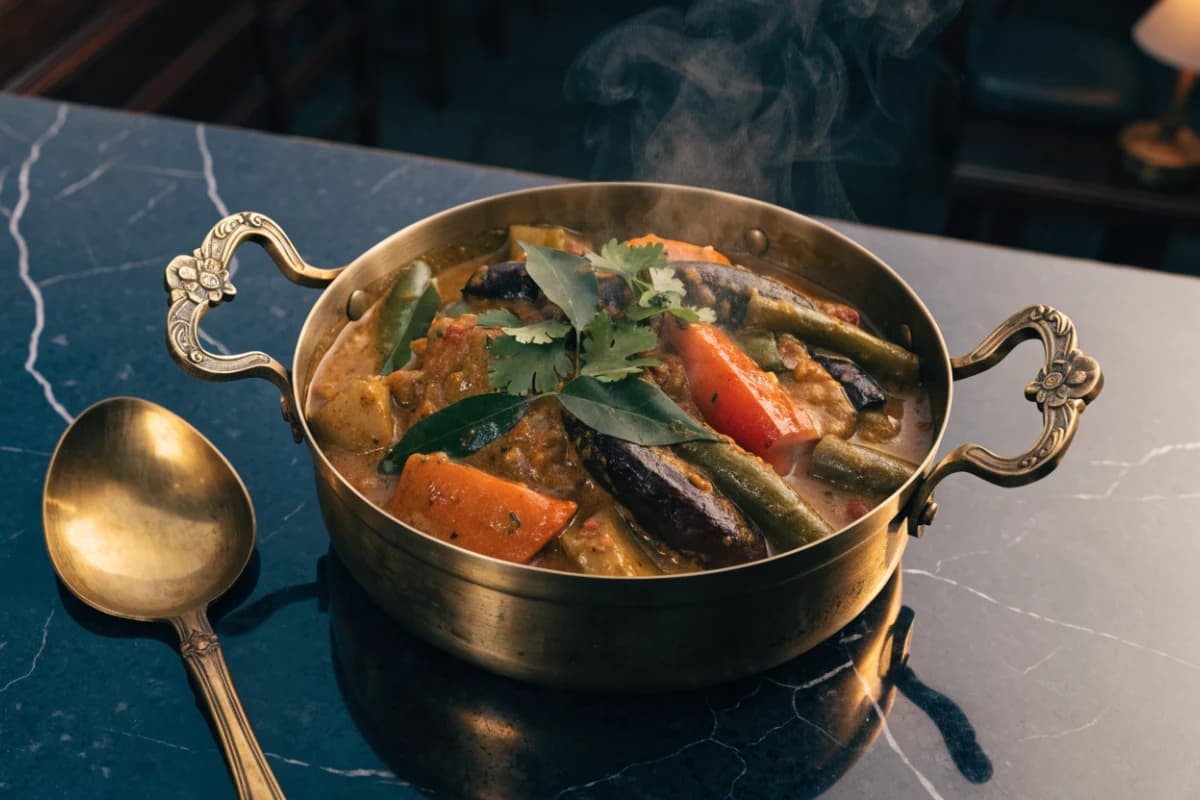
Practical ways to plan portions, store ingredients and turn leftovers into useful vegan Indian meals without buying more than you need.
Reducing food waste starts before anything reaches the chopping board. The most useful habits are checking what you own, planning overlapping meals and storing cooked food clearly. Indian home cooking is well suited to this approach because the same onions, tomatoes, pulses, rice and spices can support many different meals. The aim is not a perfectly empty bin. Peels, damaged produce and unexpected changes to a week happen. A low-waste kitchen is simply one where ingredients are bought with a purpose and leftovers remain visible enough to be used safely.
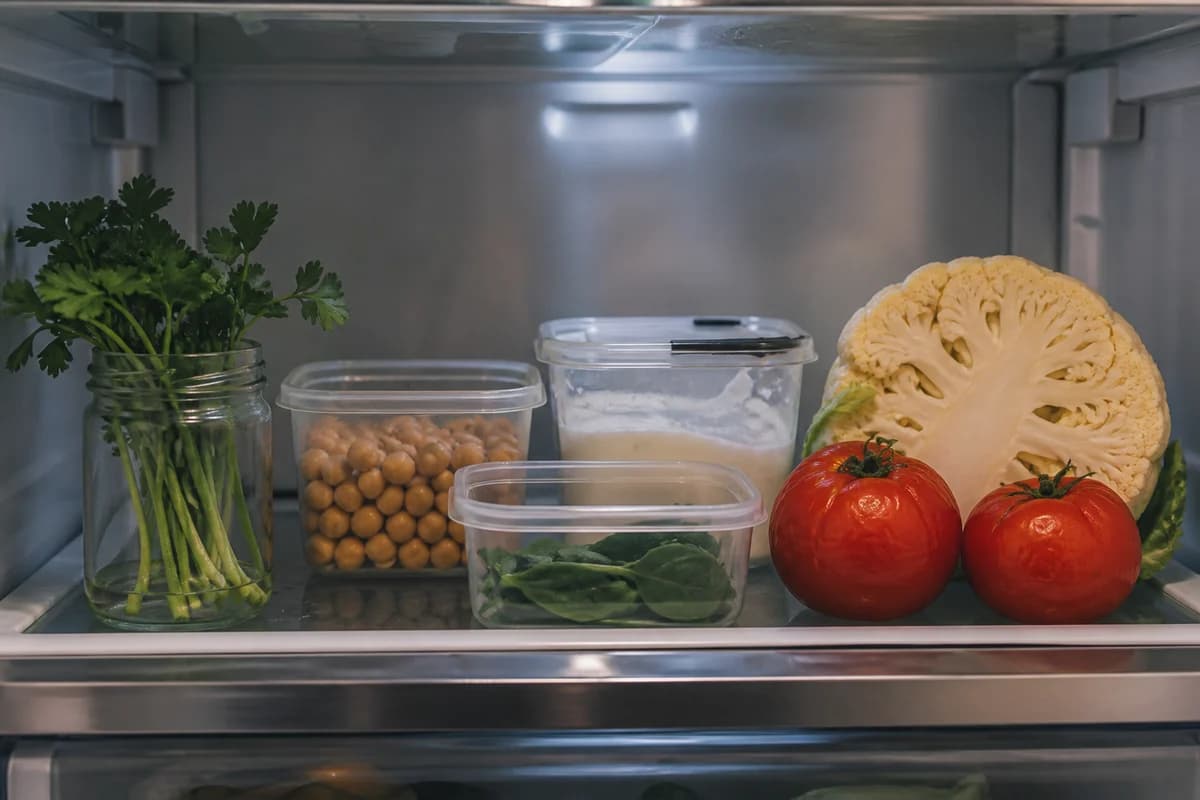
Put ripe produce and opened ingredients where they can shape the next meal instead of being forgotten.
Before writing a shopping list, check the refrigerator, freezer and cupboards. Note ingredients that need using soon and build the first meals of the week around them.
This short inspection prevents duplicate purchases and often supplies the starting point for two dinners.
Batch cooking does not have to mean eating the same dish repeatedly. Prepare one useful component and change how it is served. An onion-tomato base can support chickpea curry one night and a vegetable masala later. Cooked lentils can become dal, then thicken a soup. Roasted cauliflower can be served with rice before appearing in a wrap or grain bowl. Keep highly distinctive finishing flavours—fresh herbs, garam masala, lemon, tamarind and chilli—until the component becomes its final meal. This stops every dish tasting exactly alike.
Dried pulses are economical and store well, but they only reduce waste when there is time to soak and cook them safely. Tinned beans are often the practical choice for a busy evening. If cooking dried chickpeas or kidney beans, prepare a larger quantity, cool them promptly and freeze in drained recipe-sized portions. Label the type, cooked weight and date. Kidney beans must be boiled and cooked correctly; follow packet guidance and never rely on a slow cooker alone for raw dried kidney beans.
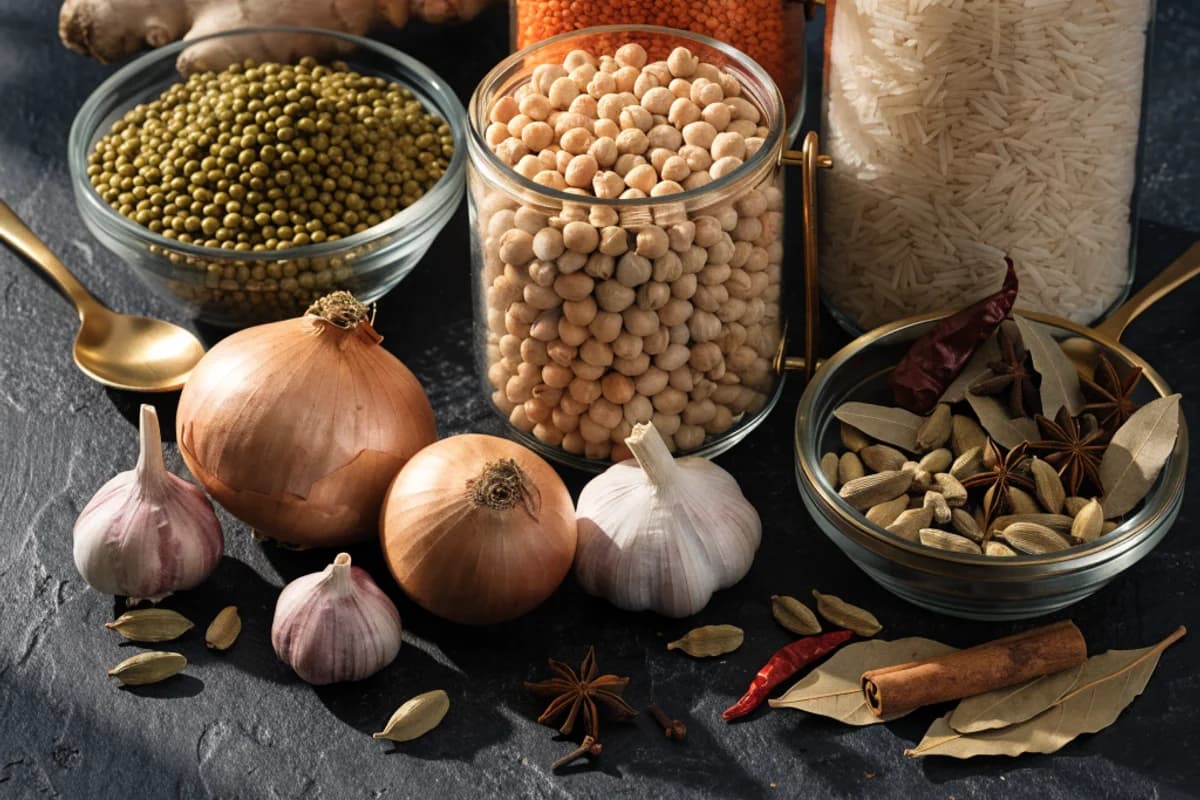
Clear, modestly sized stores make lentils, rice and spices easier to see and use in time.
Spices lose character through heat, moisture, air and light. Store modest quantities in tightly closed containers away from the hob. Write the purchase month on unfamiliar spices so older jars are used first. Avoid buying a large blend for one recipe when its individual spices are already in the cupboard. Whole cumin, mustard seed, turmeric, ground coriander and garam masala cover a broad range of everyday meals.
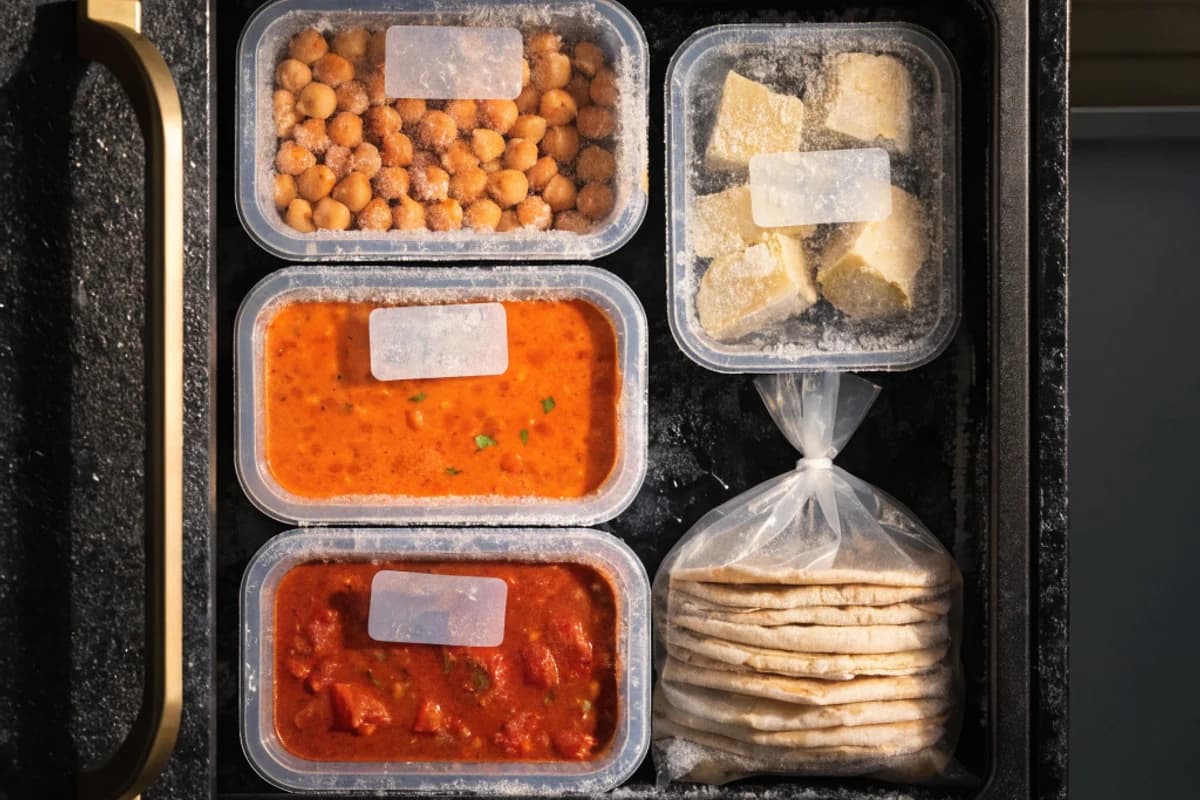
Freeze familiar components in meal-sized containers so they remain genuinely useful.
A freezer saves food only when its contents can be identified. Use containers that stack, leave expansion space for liquids, and label each portion clearly. Useful items to freeze include:
Keep a simple freezer list on a phone or cupboard door. Cross items off when used rather than trusting memory.
Not every trimming belongs in stock. Onion ends, clean carrot peelings, coriander stalks and some mushroom stems can be useful, while large quantities of cabbage, bitter greens or strongly spiced scraps may dominate. Only save clean, sound trimmings. Freeze them in one container and make stock when the container is full. Compost unsuitable vegetable waste where local facilities allow.
Rice is frequently overcooked because dry grains look small. Measure according to the people eating and whether other dishes or breads are being served. Cool leftover rice rapidly, refrigerate it promptly and reheat only once until steaming hot, following current food-safety guidance. If there is a planned use for leftover rice, decide before cooking. A measured portion can become lemon rice or a quick vegetable rice the following day; an unplanned pan is more likely to be forgotten.
Reserve one visible refrigerator area for opened packs, cooked ingredients and produce that needs attention. Check it before each meal. A transparent container is generally more useful than an opaque parcel pushed behind newer food. Once a week, make a flexible meal from that shelf: dal with greens, mixed vegetable sabzi, soup, or a tray of roasted vegetables with spiced chickpeas.
Only when the portions are eaten or frozen. Start by doubling one familiar component rather than preparing an entire week of unfamiliar meals.
Yes, although it may separate after thawing. Stir or blend it into a cooked sauce where the change in texture is less noticeable.
Storage time depends on the food, cooling method and refrigerator temperature. Follow current official food-safety guidance, label the cooking date and discard food if its safe history is uncertain.
Tender herbs, salad leaves and very ripe produce generally need attention before roots, cabbage, unopened tins and dry pulses. Arrange the weekly plan accordingly.
Turn these habits into a practical routine with the [weekly vegan Indian grocery-list guide](/guides/weekly-vegan-indian-grocery-list), or use the [meal planner](/meal-planner) to choose recipes before buying ingredients.
Helpful kitchen picks
These optional shopping links are selected for the guide above. We may earn a commission from qualifying purchases at no extra cost to you.
Affiliate partner
Browse ethical household, refill and cupboard options that can support a lower-waste kitchen.
Visit Ethical Superstore →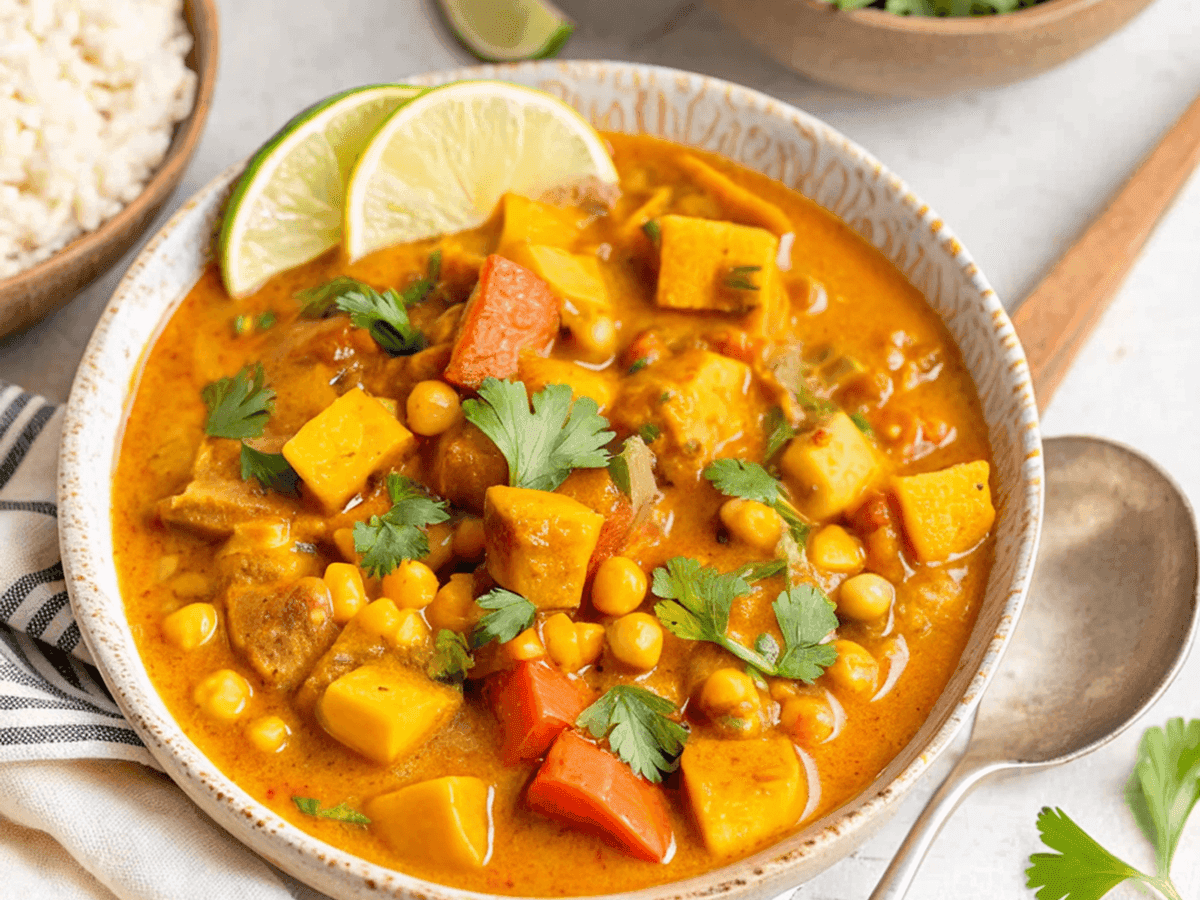
Roasted sweet potato and chickpeas meet a coconut-tomato sauce fragrant with cumin, coriander, turmeric and garam masala.
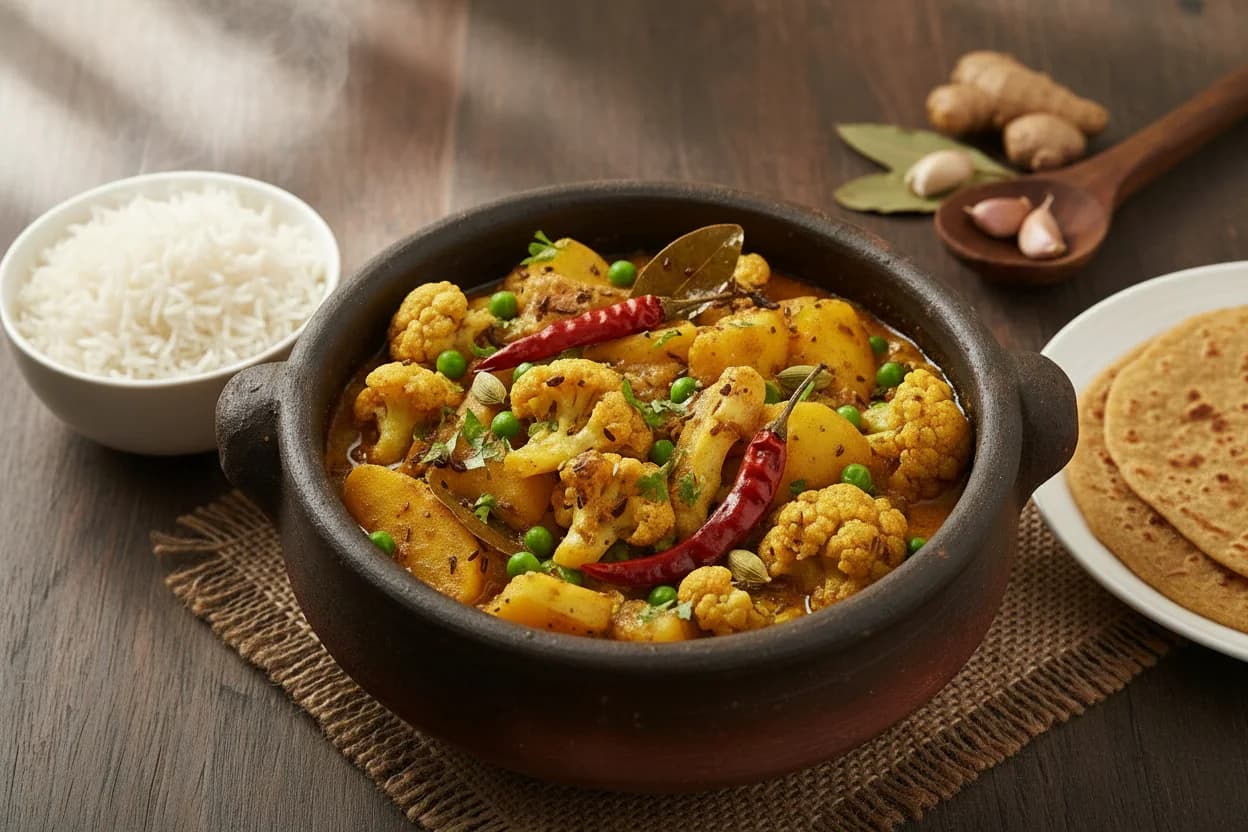
Phulkopir aloo dalna is a Bengali cauliflower and potato curry scented with cumin, ginger and garam masala. The light tomato gravy lets the sweet, browned vegetables remain the stars.
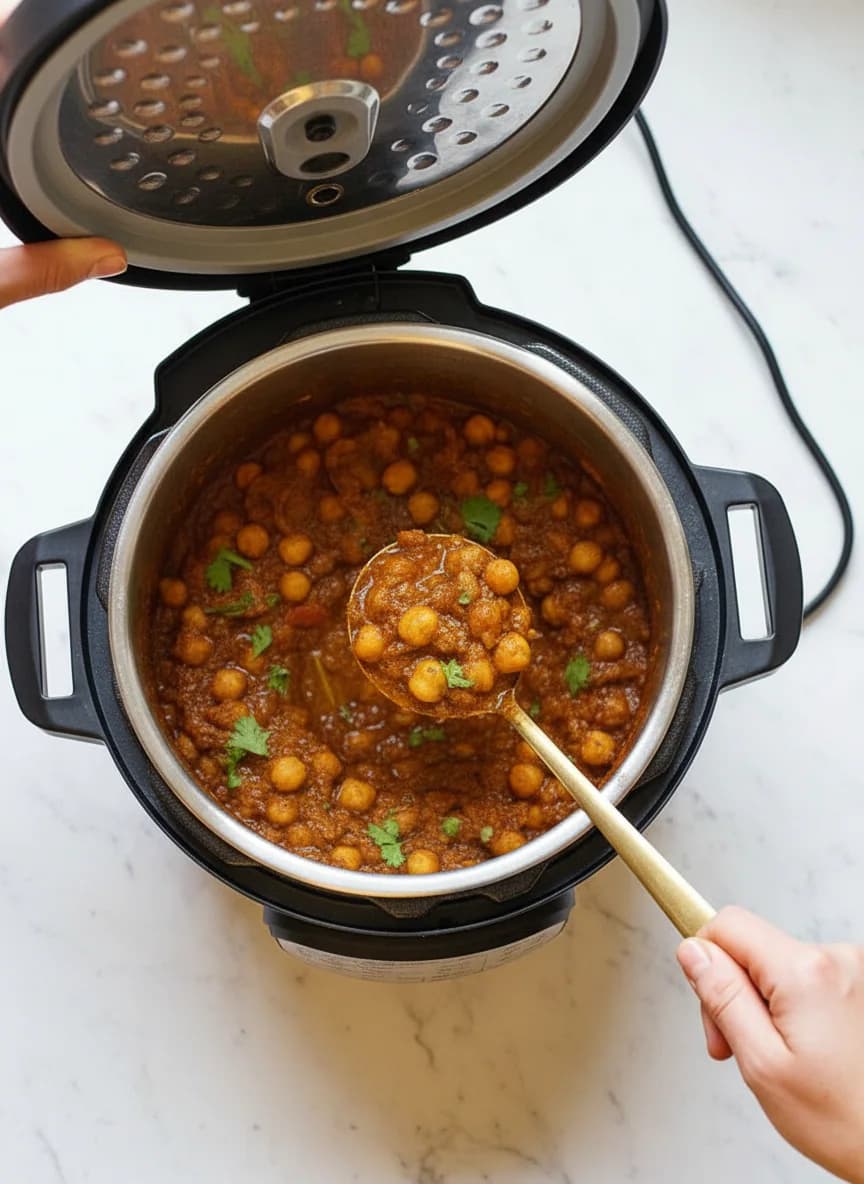
Instant Pot chana masala delivers tender chickpeas and a full-bodied onion-tomato gravy with very little tending. The pressure cooker draws the spices together while keeping this family favourite practical.
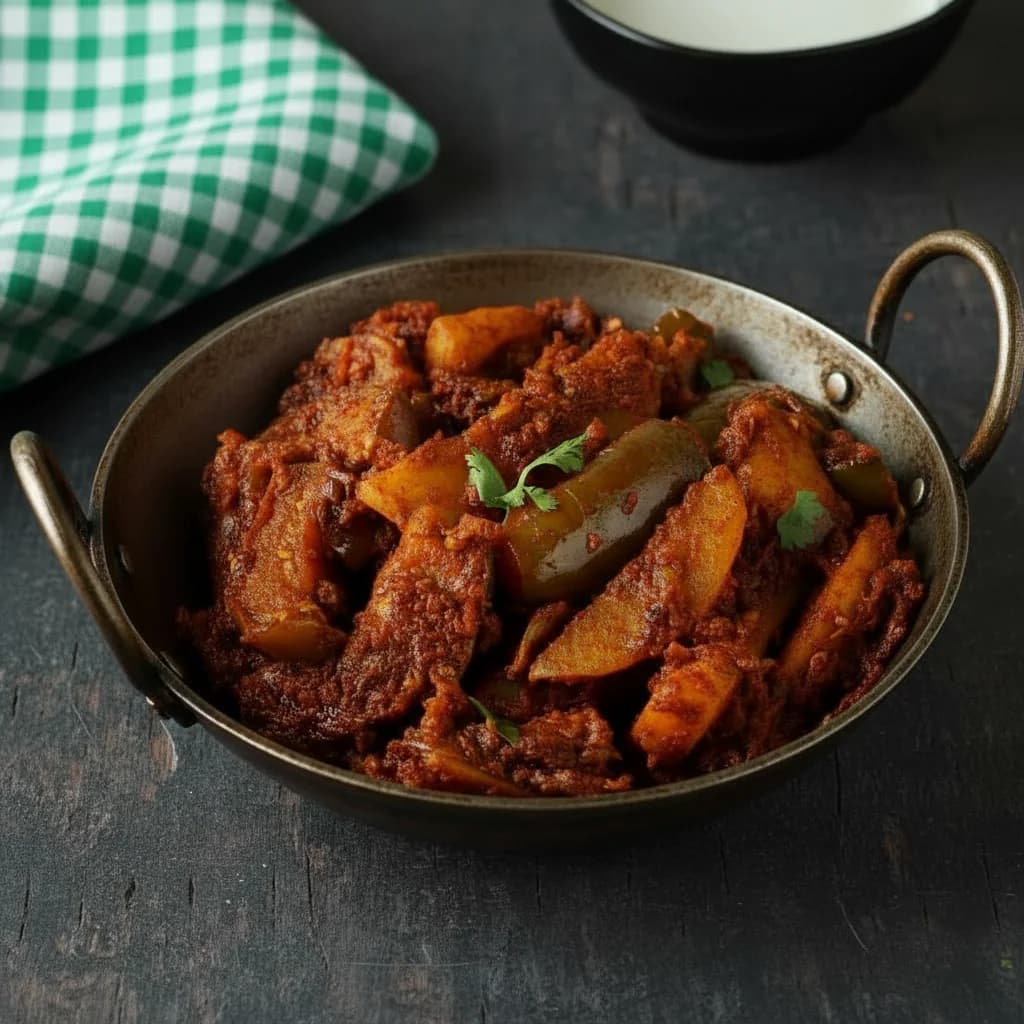
Aloo baingan is one of those quietly brilliant curries: silky aubergine, tender potato and a tomato masala that clings to every piece. It is simple home cooking with a great deal of flavour.
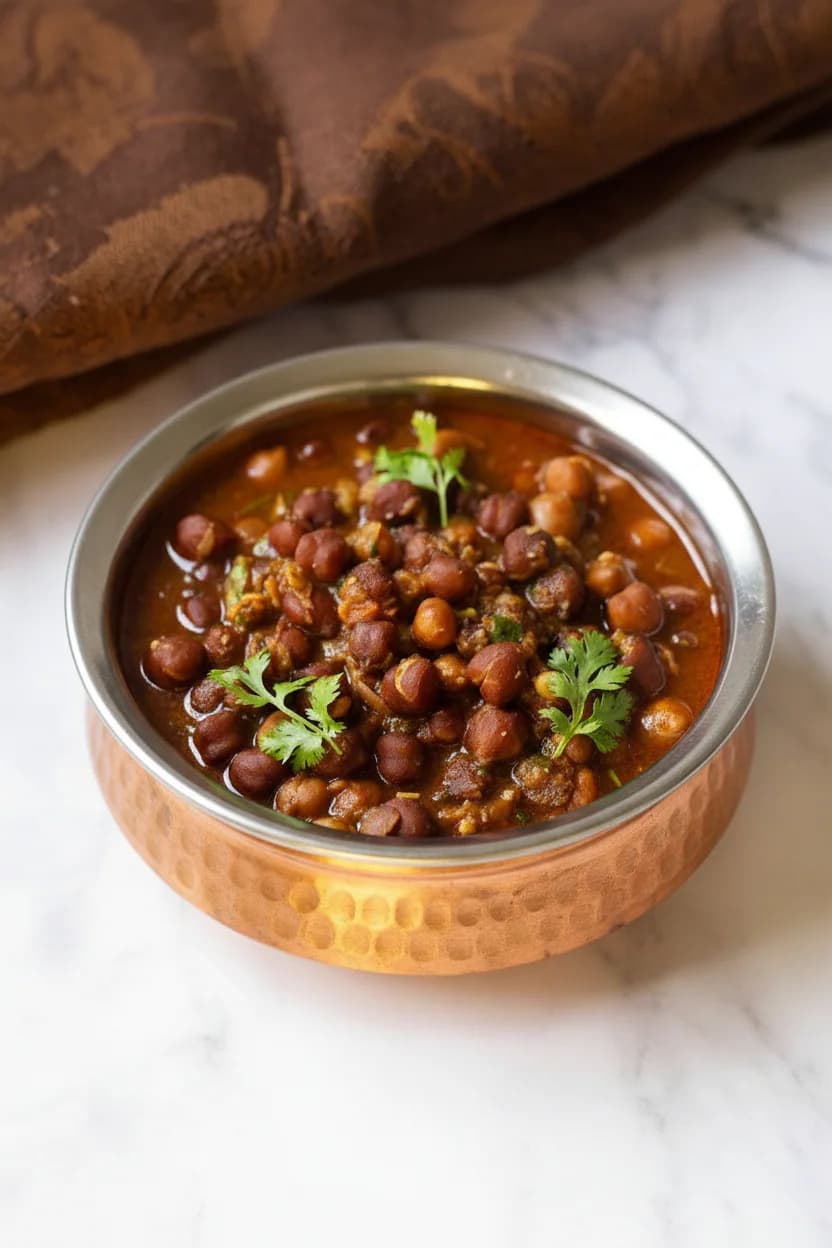
Kala chana curry has a wonderfully earthy flavour, with black chickpeas simmered in a robust onion-and-tomato masala. It is hearty, protein-rich and even better after the spices have had time to settle.
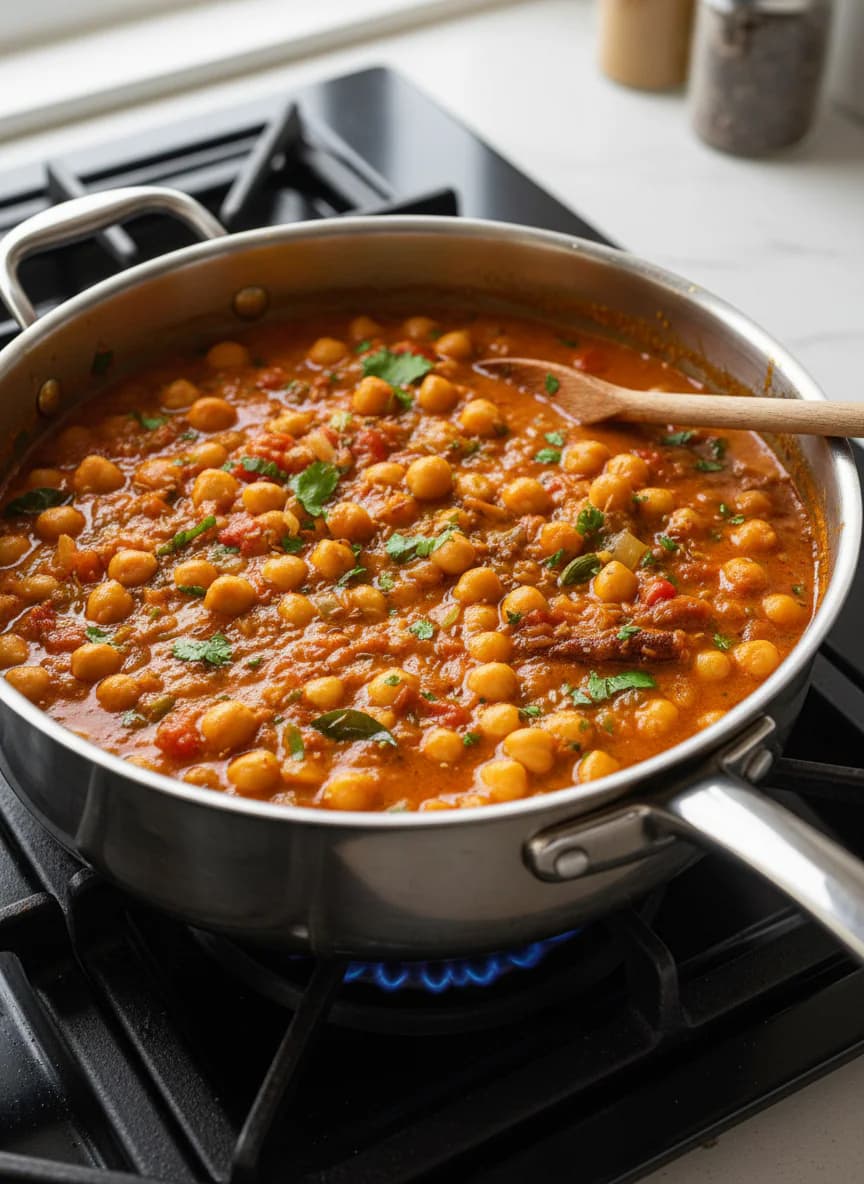
Sweet potato, chickpeas and spinach make a colourful curry with creamy coconut, warming spice and plenty of texture. The natural sweetness is balanced by tomato, chilli and fresh herbs.