

Vegan Masala Recipe
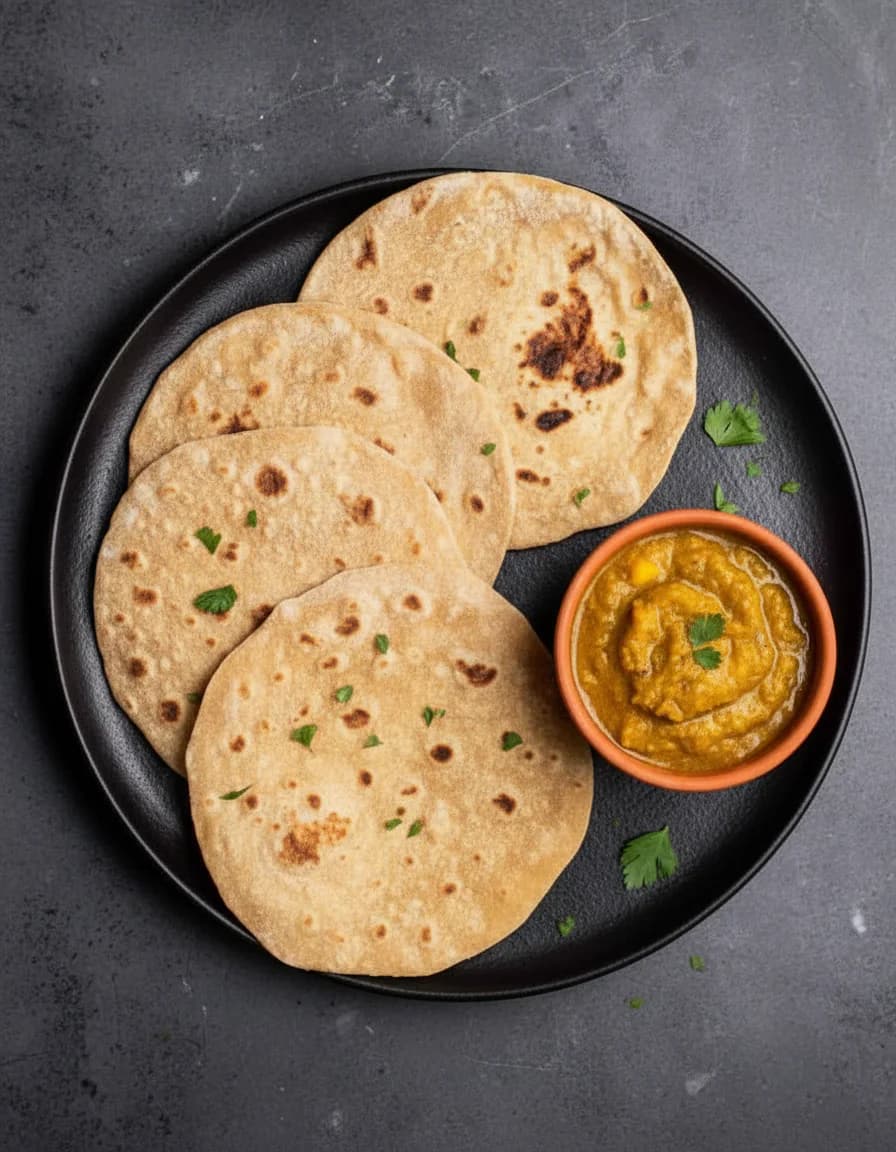
Vegan roti chapati
These everyday vegan rotis are soft, supple and made with whole-wheat flour, water and a little practice. Cooked on a hot tawa, they are the natural companion to dal, sabzi and curry.
Recipe by Craig LogueHow our recipes are created
Substantially updated 27 October 2026
Cook along with Craig
Watch the full recipe
Follow the complete Vegan roti chapati method from prepared ingredients to the finished dish.
From the kitchen
What to expect
Roti is simple food that teaches you by touch. The dough should feel soft without sticking, and each round needs only enough time on the pan to spot, puff and stay pliable.
Serving idea
Best served simply
Serve with dal, sabzi or a simple pickle, and keep the chapatis wrapped in a towel until the meal is ready.
Recipe-specific guidance
Why this method works
Roti needs only atta, salt and water, so texture depends on hydration, kneading and pan heat rather than a long ingredient list. Resting lets the flour absorb water evenly and makes thin rounds easier to roll without tearing.
Cues to watch for
- •The dough should be soft, smooth and no longer sticky after resting.
- •Roll evenly from the centre and avoid a thin rim that will become brittle.
- •Flip when small bubbles form, then press lightly to encourage the roti to puff.
Useful substitutions
- •Fine wholemeal flour can replace atta but may require slightly more water.
- •Warm water speeds hydration, though it should not be hot enough to cook the flour.
- •Use minimal dusting flour because loose flour scorches on the pan.
Storage and reheating
Stack hot roti beneath a clean towel. Refrigerate for two days or freeze between sheets of baking paper, then warm briefly on a dry pan.
Cook the recipe
Method
- 1
In a large mixing bowl, combine 2 cups atta flour and 1 teaspoon salt.
- 2
Gradually add 1.5 cups water, mixing with a spatula or your hands until a dough starts to come together. Add a little more water only if the flour still looks dry.
- 3
Knead the dough for a few minutes until smooth and elastic. If it feels sticky, dust with a little more atta flour as you work.
- 4
Cover the dough with a damp cloth and rest for 25 to 30 minutes.
- 5
Knead the rested dough briefly, then divide it into 8 equal portions.
- 6
Shape one portion into a smooth ball and flatten it lightly with your palm.
- 7
Dust the work surface and rolling pin with atta flour, then roll the dough into an oval. Turn it 90 degrees and roll again into a circle about 5 to 6 inches across.
- 8
Repeat with the remaining portions, dusting lightly as needed so the dough does not stick.
- 9
Heat a cast-iron or non-stick pan over medium-high heat until hot.
- 10
Place one chapati in the pan and cook for 1 to 2 minutes, until small bubbles appear and the surface starts to lift. Flip and cook the second side for about 1 minute, until light golden spots appear.
- 11
Cook the remaining chapatis the same way and serve them hot. If you like, finish each one over an open flame for a few seconds to encourage puffing.
A few useful notes
Notes
- Use atta flour if you can; it gives chapati a softer, more flexible texture than standard whole wheat flour.
- The dough should feel soft, not stiff. If it is too firm, the chapatis will crack at the edges when rolled.
- A well-heated pan matters. If the pan is too cool, the chapati dries out before it cooks through.
- Keep cooked chapatis wrapped in a clean kitchen towel so they stay supple while you finish the batch.
- Leftovers keep in an airtight container in the fridge for up to 3 days. Reheat on a hot pan for a few seconds on each side, or wrap briefly in foil to warm through.
Gather everything first
Ingredients
- 2 cups atta flour (or whole wheat flour), plus extra for dusting
- 1 teaspoon salt
- 1.5 cups water
Cook next

Soft Whole Wheat Chapati
These soft whole-wheat chapatis puff on a hot pan and stay tender enough to fold around curry or dal. A short ingredient list and a well-rested dough are all you need.
Puffed Indian Bread (Poori)
Poori is a small whole-wheat bread that balloons in hot oil, becoming crisp outside and soft within. Served straight away with curry or pickle, it turns a meal into an occasion.
Garlic Naan
Soft vegan naan bubbles and chars in a hot pan before being brushed with garlicky melted butter and fresh coriander. It is pillowy, fragrant and almost impossible not to tear into immediately.
Peshwari Naan
Peshwari naan encloses a sweet, fragrant filling of coconut, nuts and dried fruit inside soft, blistered bread. It is a lovely foil for a hot curry and a treat in its own right.
Learn the technique
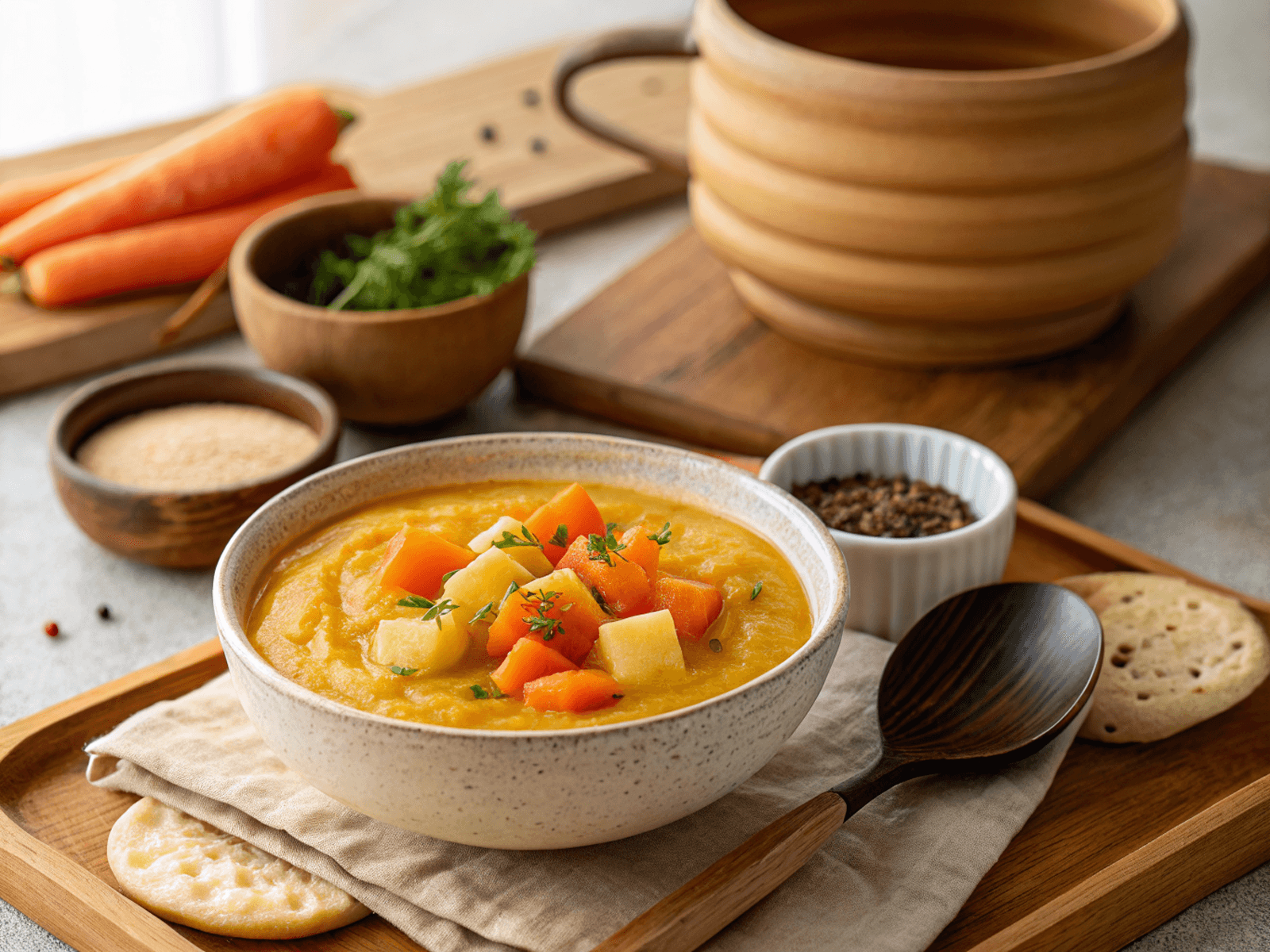
A UK Seasonal Vegetable Guide for Indian Cooking
A practical guide to choosing, storing and cooking seasonal UK vegetables with Indian spices throughout the year.
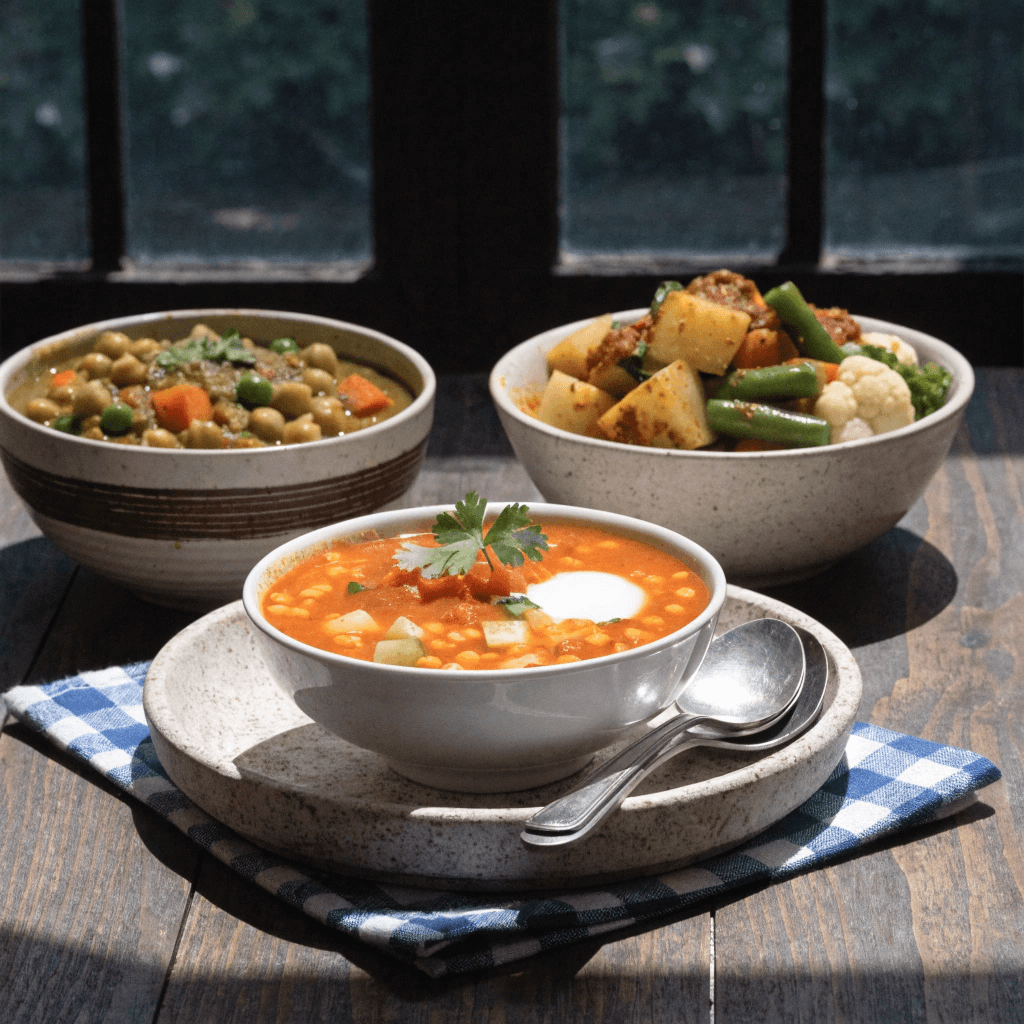
Beginner-Friendly Vegan Indian Recipes
Simple vegan Indian dishes perfect for beginners starting their cooking journey.
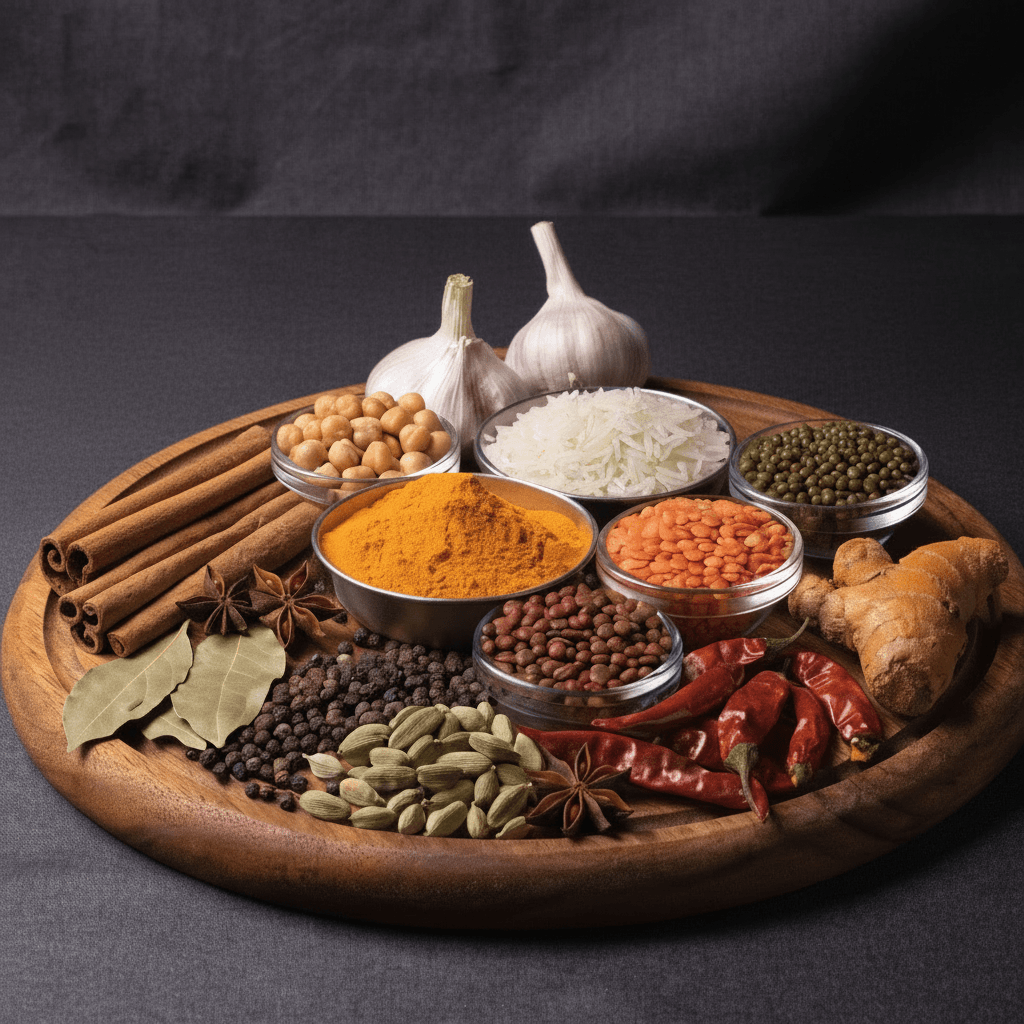
Essential Vegan Indian Pantry Staples
The core spices, lentils, beans, grains, and aromatics worth keeping on hand for everyday vegan Indian cooking.