


Vegan Masala Recipe
Jalebi Recipe (Traditional Method)
Traditional jalebi coils fermented batter into hot oil before soaking the crisp spirals in cardamom-scented syrup. The contrast between crackly shell and juicy centre is pure celebration.
Recipe by Craig LogueHow our recipes are created
Substantially updated 24 September 2026
From the kitchen
What to expect
Making jalebi at home can be a joyful experience, bringing the sweet aroma of frying and syrup to your kitchen. This technique captures the traditional essence, creating a treat that delights any gathering.
Serving idea
Best served simply
Pair with a cup of masala chai for a delightful afternoon snack.
Recipe-specific guidance
Why this method works
Fermentation gives traditional jalebi a light interior and slight tang, while a one-string syrup is thin enough to soak the fried coils without making them limp. Moderate frying heat allows the rings to set before their colour deepens.
Cues to watch for
- •The fermented batter should show small bubbles and fall in an unbroken ribbon.
- •A piped coil should hold its shape on contact with the oil rather than spreading flat.
- •Warm jalebi need only a brief syrup soak; they should remain crisp when lifted.
Useful substitutions
- •A tiny pinch of turmeric provides colour without artificial dye; too much affects flavour.
- •A piping bag with a very small cut corner works if no squeeze bottle is available.
- •Cardamom can accompany saffron in the syrup, but use it lightly.
Storage and reheating
Jalebi are best on the day they are fried. Keep at cool room temperature for one day in a loosely covered container; refrigeration and sealed containers soften the crust.
Cook the recipe
Method
- 1
In a mixing bowl, combine 1 cup all-purpose flour, 2 tablespoons gram flour, 1 pinch baking soda, and ⅛ teaspoon turmeric powder.
- 2
Mix the dry ingredients well before gradually adding 1 cup water. Depending on the flour's quality, you may need ¾ to 1 cup of water.
- 3
Stir the batter with a spatula, breaking down any lumps until smooth, then whisk briskly for about 4 minutes to aerate.
- 4
Cover the batter and set it aside in a warm place for 12 to 15 hours for fermentation; in colder climates, extend this to 20 to 24 hours.
- 5
After fermentation, the batter should be bubbly and a bit thinner; stir gently, then add 1 to 2 tablespoons of all-purpose flour to thicken.
- 6
Transfer the batter to a squeezy bottle or piping bag for shaping.
- 7
In a saucepan, combine 1 cup sugar, ½ cup water, and ¼ teaspoon saffron strands. Heat on low, stirring to dissolve the sugar.
- 8
Cook the syrup until it reaches one-thread consistency, then add ¼ teaspoon lime juice and stir. Keep the syrup warm off the heat.
- 9
Heat oil for frying in a kadai, ensuring it reaches 350°F (176°C) by testing with a small amount of batter; it should rise immediately.
- 10
Squeeze the batter into concentric circles in the hot oil, starting from the center or moving outward. Shapes may vary—practice for better control.
- 11
Fry until golden, turning once, then remove with a bamboo skewer or tongs, allowing excess oil to drip off.
- 12
Immediately immerse the fried jalebi in the warm sugar syrup for 2 to 3 minutes, turning to coat evenly.
- 13
Place on a tray lined with foil or parchment to drain the excess syrup, and repeat the process until all batter is used.
- 14
Serve the jalebi hot, warm, or at room temperature.
A few useful notes
Notes
- Store any leftovers in an airtight container in the refrigerator. Reheat in a low oven for a few minutes to maintain crispness.
- Adjust the cooking time based on your frying method; smaller jalebi tend to cook faster than larger ones. Aim for a light golden hue when frying.
Gather everything first
Ingredients
- 1 cup all-purpose flour (125 grams)
- 2 tablespoons gram flour (besan)
- ⅛ teaspoon turmeric powder
- 1 pinch baking soda (or ¼ teaspoon baking powder)
- 1 cup water
- 1 to 2 tablespoons all-purpose flour (for thickening the batter)
- 1 cup sugar (150 grams)
- ½ cup water (for sugar syrup)
- ¼ teaspoon saffron strands
- 2 tbsp oil

Love this recipe?
Visit the Vegan Masala Store for the Vegan Indian Sweets Mini Ebook, featuring 6 comforting recipes, pantry notes, troubleshooting tips, and festive serving ideas.
Learn the technique
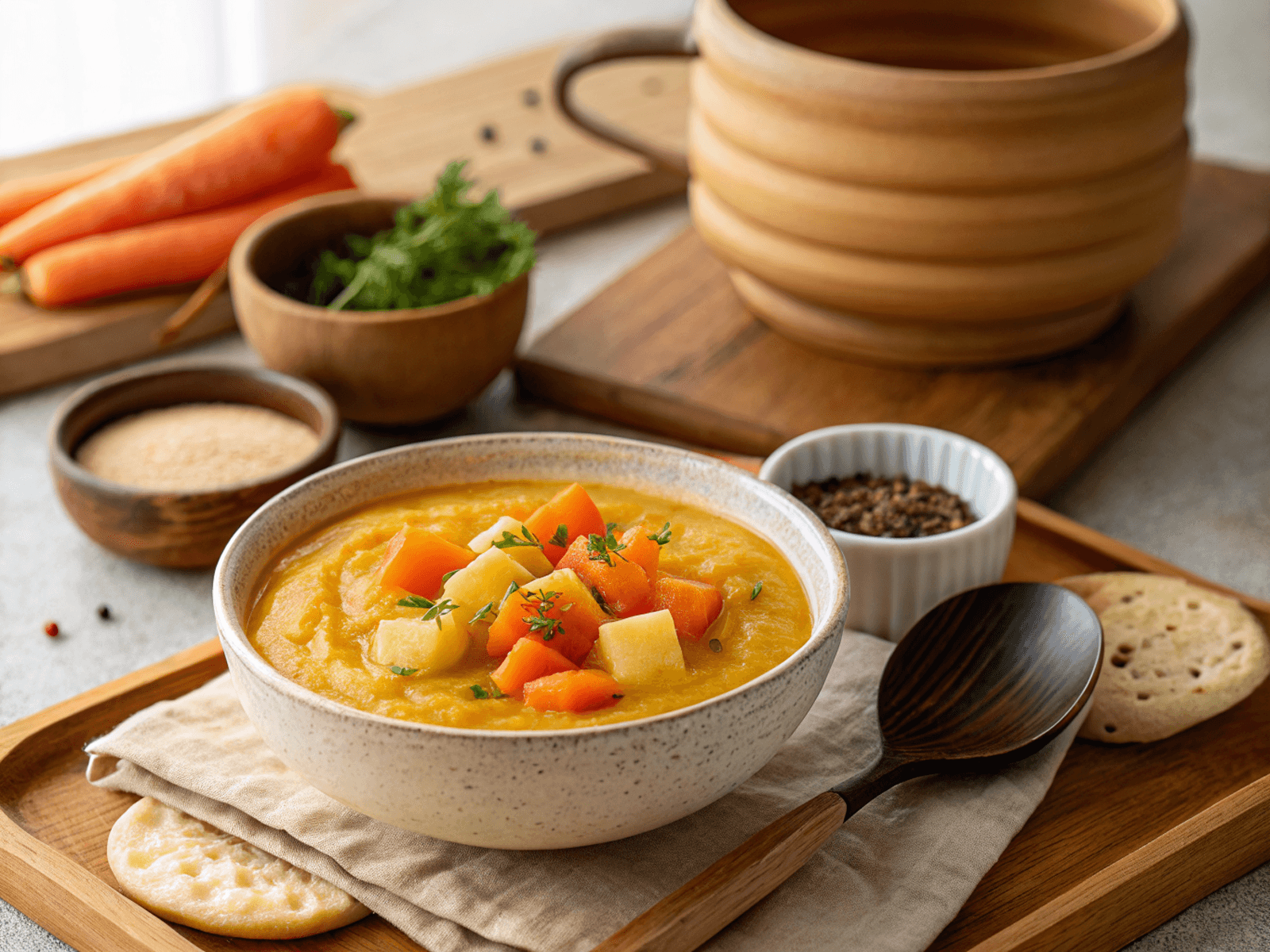
A UK Seasonal Vegetable Guide for Indian Cooking
A practical guide to choosing, storing and cooking seasonal UK vegetables with Indian spices throughout the year.
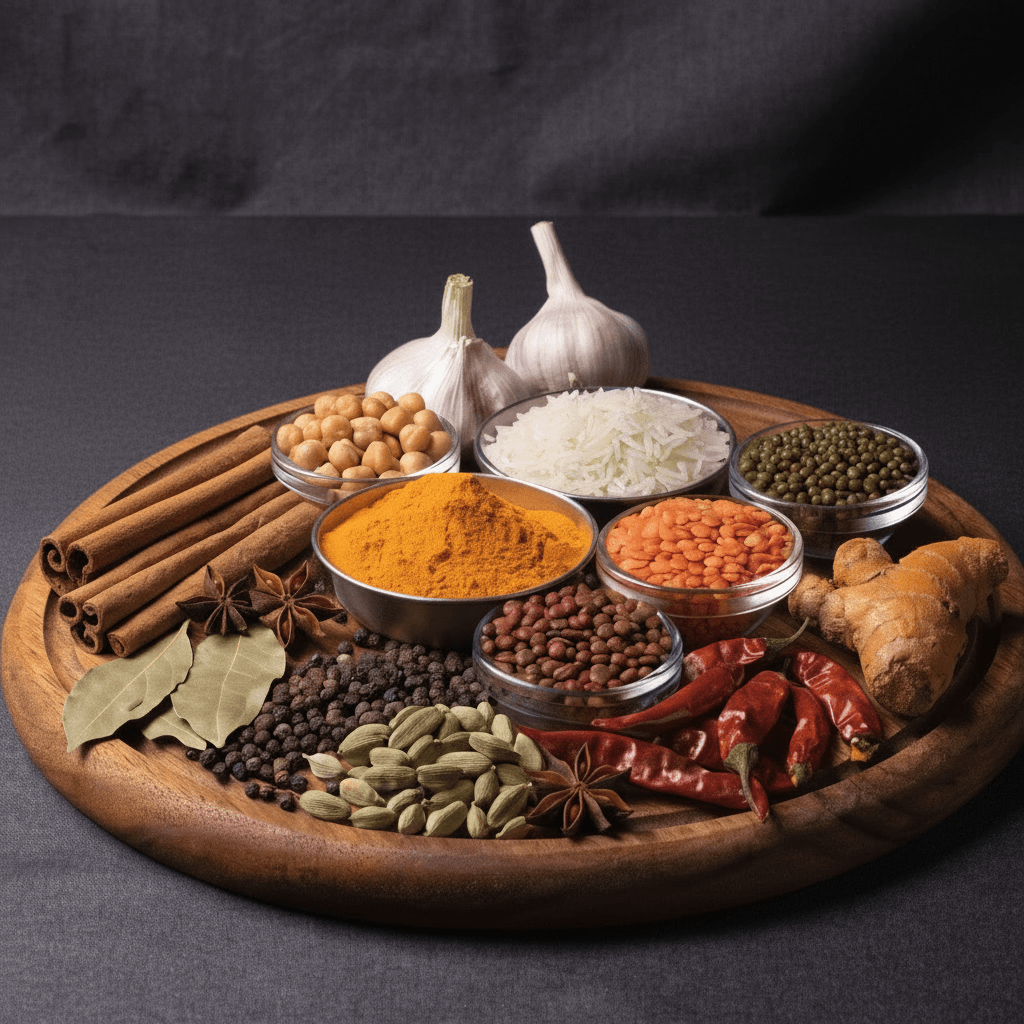
Essential Vegan Indian Pantry Staples
The core spices, lentils, beans, grains, and aromatics worth keeping on hand for everyday vegan Indian cooking.

How to Build a Curry Base
Learn the simple method behind most Indian curries by mastering the classic onion, tomato and spice base.